Running a small business means making a lot of decisions that feel minor at first but add up over time. Time clock software is one of those choices. A low monthly price or a free online tool can look like the obvious answer when you’re just trying to get hours tracked and payroll done.
The problem is that most pricing comparisons stop at the starting line. They don’t show what happens after a few years of hiring, raises, overtime, and regular payroll runs. That’s when recurring fees, plan changes, and feature limits start to matter.
This guide looks at the real long-term cost of buy-once versus subscription time clock software. Not just what you pay to get started, but what you end up paying as your business grows and your needs stay the same.
Table of Contents
- Buy-Once vs Subscription Time Clock Software: What’s the Difference?
- Buy-Once Time Clock Software
- Subscription Time Clock Software
- How Time Clock Software Pricing Really Adds Up Over Time
- Buy-Once vs Subscription Time Clock Software: Cost Comparison
- Are Free Online Time Clocks Really Free?
- When Subscription Time Clock Software Makes Sense
- When Buy-Once Time Clock Software Is the Better Long-Term Choice
- Ownership, Control, and Risk Over Time
- How to Choose the Right Time Clock Pricing Model for Your Business
- Frequently Asked Questions
- Final Thoughts
Buy-Once vs Subscription Time Clock Software: What’s the Difference?

Once you look past the pricing math, the real difference between these two models comes down to how the software is built and how you’re expected to use it over time.
Buy-Once Time Clock Software
Buy-once systems are licensed upfront. You install the software on your business computers or network, set it up, and start using it. After that, there are no required monthly fees just to keep the system running.
Your time data is stored locally, on your machines. That means the software keeps working even if your internet goes down. Updates and upgrades are usually optional, not forced. You decide if and when you want to add new features.
This model is common with businesses that want predictable costs, shared clock-in stations, or full control over their data. Once it’s set up, it tends to stay out of the way and just do its job.
Subscription Time Clock Software
Subscription-based systems work the opposite way. You pay a recurring fee, usually monthly or annually, to access the software. Most of these tools run in a web browser or through an online dashboard.
Pricing often depends on how many employees you have or which features you need. Add staff, and the bill goes up. Need better reports, integrations, or permissions? That often means moving to a higher plan.
Your data lives on the provider’s servers, and access depends on having an active account and a working internet connection. Updates happen automatically, which can be convenient, but also means changes are out of your control.
Neither approach is automatically right or wrong. They’re built for different types of businesses, and the best fit depends on how you operate day to day and how much control you want long term.
How Time Clock Software Pricing Really Adds Up Over Time

When you’re comparing time clock software, most pricing pages make everything look simple. A low monthly rate. Maybe a free plan. Something that feels easy to start with. What usually gets missed is what you’ll actually be paying a few years down the road.
In the first year, subscription-based systems often feel affordable. You sign up, add a few employees, and the monthly charge seems manageable. But as your business grows, those costs grow with it. Every new hire adds another fee. Need access to better reports or payroll exports? That usually means moving up to a higher plan. Over time, what started as a small monthly expense turns into a fixed bill you can’t really escape.
By year three, the math starts to change. You’ve paid hundreds or even thousands of dollars just to keep using the same system. You don’t own anything. If you stop paying, access goes away. Your time data is still there, but it’s locked behind an active subscription.
Five years in, the gap becomes obvious. Subscription tools often end up costing several times their original “cheap” price, especially for teams with hourly employees or multiple clock-in points. Price increases, feature changes, and new limits are common, and you’re stuck adapting whether you like it or not.
Buy-once systems work differently. You pay upfront, set things up, and use the software year after year without ongoing fees. The cost is predictable. You’re not watching your bill climb every time you hire someone or need another feature.
This is the part many businesses miss when they’re comparing options. It’s not about what costs less this month. It’s about what still makes sense after years of payroll runs, staff changes, and day-to-day use, when the total cost really shows up.
Buy-Once vs Subscription Time Clock Software: Cost Comparison
Looking at pricing pages alone doesn’t always tell the full story. The real differences show up when you compare how each model behaves over time, not just what it costs to get started.
The table below breaks down the most common cost and usage factors side by side. This makes it easier to see where ongoing fees tend to stack up, where costs stay flat, and how things like data control and internet dependence can affect your day-to-day operations.
| Buy-Once Time Clock Software | Subscription Time Clock Software | |
|---|---|---|
| Upfront cost | One-time license purchase | Low or no upfront cost |
| Ongoing fees | No required monthly payments | Monthly or annual subscription |
| Cost as staff grows | Typically stays the same | Increases with each added employee |
| Internet requirement | Can work offline | Requires an active internet connection |
| Data ownership | Stored locally on your systems | Stored on the provider’s servers |
| Access if payments stop | Continues working | Access is typically cut off |
| Long-term total cost | Predictable and capped | Can grow significantly over time |
Are Free Online Time Clocks Really Free?

A lot of business owners start their search looking for a free option. That makes sense. If you just need something simple to track hours, a free online time clock sounds like an easy win.
The catch is that most free tools are built to get you in the door, not to support you long term. They usually come with limits that don’t matter at first, but start causing problems once your team grows or payroll gets more complex.
Common restrictions include caps on the number of employees, limited access to reports, or basic exports that don’t line up cleanly with payroll. Some tools only store data for a short time unless you upgrade. Others remove support entirely, which means you’re on your own when something breaks or data doesn’t look right.
Free systems also tend to rely completely on being online. If the connection drops or the service has an outage, clock-ins stop. That might not be a big deal for a tiny team, but it can quickly turn into a mess when you’re trying to run payroll for hourly staff.
That doesn’t mean free tools are useless. They can work for very small teams, short-term projects, or businesses that just need a temporary solution. The problem is assuming they’ll still work the same way once you’re hiring more people, tracking overtime, or trying to clean up payroll without extra manual work.
At some point, most businesses outgrow free software. The upgrade usually comes after frustration sets in, not before. That’s why it helps to think about where you’re headed, not just what costs the least right now.
When Subscription Time Clock Software Makes Sense

Subscription-based time clock software isn’t a bad choice across the board. For some businesses, it fits the way they operate and solves real problems.
If your team is spread across different locations or works remotely, having an online system that everyone can access from anywhere can be a big advantage. Employees can clock in from their own devices, and managers can review time data without needing to be on the same network or computer.
Subscriptions can also make sense if you want minimal setup. Most online systems are ready to use as soon as you create an account. There’s no installation to manage and no local system to maintain. Updates happen automatically, which can be helpful if you don’t want to think about software maintenance at all.
These tools are often a good fit for short-term needs. If you’re running a temporary project, scaling up quickly, or unsure how long you’ll need a system, paying month to month can feel more flexible than buying software outright.
The tradeoff is that convenience comes with ongoing costs and less control. As long as you’re comfortable with recurring fees, internet dependency, and the idea that pricing or features may change over time, a subscription model can work well.
The key is being honest about how long you plan to use the software and how much you’re willing to pay for that convenience year after year.
When Buy-Once Time Clock Software Is the Better Long-Term Choice

Buy-once time clock software tends to make the most sense for businesses that want stability and predictable costs. If your team works from a fixed location, uses shared clock-in stations, or doesn’t need remote access from anywhere in the world, this model can be a much better fit.
One of the biggest advantages is cost control. You pay once, set things up, and keep using the system without watching a monthly bill grow as your staff changes. Hiring a new employee doesn’t automatically mean a higher software cost. Over time, that predictability adds up.
Buy-once systems also appeal to businesses that want their software to keep working no matter what. If the internet goes down, employees can still clock in and out. Payroll doesn’t stop because a server somewhere else is having an issue.
There’s also the question of data control. With locally installed systems, your time records stay on your computers. You don’t have to worry about losing access because of a missed payment, a price change, or a canceled plan.
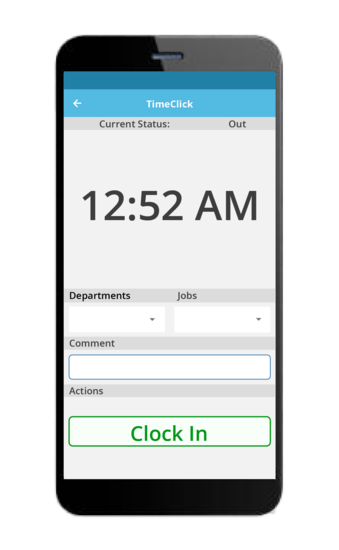
That’s why some small businesses choose tools like TimeClick. It’s built as a buy-once time clock that runs on your own machines, works offline, and avoids ongoing subscription fees.

If owning your software, keeping costs predictable, and staying in control of your data matter to you, then TimeClick's buy-once time tracking software may be the perfect fit. Explore TimeClick’s time clock features
Ownership, Control, and Risk Over Time

One thing that rarely shows up in pricing comparisons is risk. Not just security risk, but business risk. The kind that only becomes obvious after you’ve been using a system for a few years.
With subscription-based tools, your access is tied to an active account. If prices go up, features move to a higher plan, or billing changes in a way you don’t like, your options are limited. You either adapt or start planning a switch, which usually means exporting data, retraining staff, and rebuilding processes.
There’s also the question of downtime. Online systems depend on internet access and the provider’s servers. If either one goes down, clock-ins can stop. That might be rare, but when it happens on a busy payroll week, it turns into a real headache.
Buy-once systems shift that balance. The software lives on your computers, and your data stays with you. There’s no account to suspend and no service to shut off access. Even years later, you can still open the system, review past time cards, and run reports.
For many businesses, this level of control matters more over time than it does on day one. It’s the difference between renting a tool that can change without warning and owning one that keeps working the way you expect it to.
How to Choose the Right Time Clock Pricing Model for Your Business

There’s no single “best” pricing model that works for every business. The right choice comes down to how you actually operate, not what sounds good on a pricing page.
Before you decide, it helps to ask a few practical questions:
- How many employees do you have today, and how many do you expect to have a few years from now?
- Do your employees clock in from one location, or from many different places?
- How reliable is your internet connection during normal work hours?
- Do you prefer a one-time purchase, or are you comfortable with ongoing monthly fees?
- How important is it to keep full access to your time data long term?
If your team is remote, spread out, or changing frequently, an online subscription system may feel more convenient, even with the recurring cost.
If your business runs from a fixed location, values predictable expenses, and wants software that keeps working regardless of internet issues, a buy-once system is often the safer long-term bet.
The goal isn’t to pick the cheapest option today. It’s to choose something that still fits your business years from now, without forcing a costly switch when you’ve already built your processes around it.
Frequently Asked Questions
These are some of the most common questions business owners ask when comparing buy-once and subscription time clock software.
Which option costs less over five years?
In most cases, buy-once software ends up costing less over a five-year span. Subscription tools often start cheap, but monthly fees add up as you continue using the system. For businesses with steady staffing, the long-term savings from a one-time purchase are usually significant.
Can free online time clocks handle payroll accurately?
Free tools can work for very small teams, but they often lack the reporting and export options needed for clean payroll. Many businesses find that manual fixes creep in quickly, which defeats the purpose of using software in the first place.
Is online time tracking safer than locally installed software?
Both can be secure if managed properly. Online systems rely on the provider’s servers and security practices, while local systems depend on your own setup. The bigger difference is access. With local software, you’re not dependent on an internet connection or an active subscription to reach your data.
What happens if a subscription provider raises prices or changes plans?
When prices increase or features move to higher tiers, you usually have limited options. You can pay more, adjust how you use the system, or plan a switch. That transition often takes time and effort, especially if you have years of time records to manage.
Can I switch time clock systems later if my business changes?
Yes, but switching isn’t always simple. It often means exporting data, retraining employees, and updating payroll workflows. That’s why many businesses try to choose a system that will still fit their needs as they grow, rather than planning to change later.
Final Thoughts

Time clock software should make running payroll easier, not turn into another monthly bill you regret. Subscription tools can be convenient, especially early on, but their long-term cost is easy to underestimate.
Buy-once systems take a different approach. You pay upfront, keep control of your data, and avoid ongoing fees that grow over time. For many businesses, that predictability ends up being the bigger advantage.
The best choice comes down to how you work and how long you plan to use the system. Thinking past the first year and looking at total cost, control, and risk makes it much easier to pick something you won’t need to replace later.
Not using TimeClick yet? Try our time clock software free. Simple setup, unlimited users, and built for small businesses. No credit card required.
Start your FREE TimeClick Trial Today.