
On this page
- How Subscriptions Slowly Take Over a Business
- The Cost Problem Shows Up Years Later
- Ownership Changes How You Think About Tools
- Control Beats Convenience Over Time
- Why This Matters More for Time Tracking
- Why Buy-Once Software Fits Long-Term Thinking
- Where Subscriptions Still Make Sense
- How Long-Term Businesses Choose Software
- A Practical Example of Ownership in Time Tracking
- Frequently Asked Questions
- Final Thoughts

The businesses that last the longest usually are not the loudest ones. They are not chasing every new tool, trend, or pricing model that comes along. They make quiet choices that keep costs predictable and systems simple.
One of those choices is how they buy software. Instead of stacking monthly subscriptions, many long-term businesses prefer ownership. They want tools they can pay for once, rely on every day, and stop thinking about.
This article explains why that mindset matters, and why owning critical software often makes more sense than renting it forever.
How Subscriptions Slowly Take Over a Business

Subscriptions rarely show up all at once. They creep in. One tool here. Another service there. Each one solves a real problem, so the decision feels reasonable in the moment.
At first, the cost barely registers. A small monthly fee is easy to justify, especially when it replaces manual work or saves a few hours each week. Most business owners are not worried about ten or twenty dollars a month.
The problem is that subscriptions do not stay isolated. Over time, they stack as software adds user limits, features move into higher tiers, and add-ons become necessary instead of optional. What started as a simple tool quietly becomes a fixed cost.
Because these charges are spread out, they are easy to ignore. They renew automatically. They show up on statements without much thought. Months turn into years, and suddenly the business is paying for tools it barely questions anymore.
Long-term businesses eventually notice this pattern. Not because one subscription breaks the budget, but because the total overhead keeps growing without adding the same level of value. That is usually when owners start asking whether renting software forever actually makes sense.
The Cost Problem Shows Up Years Later
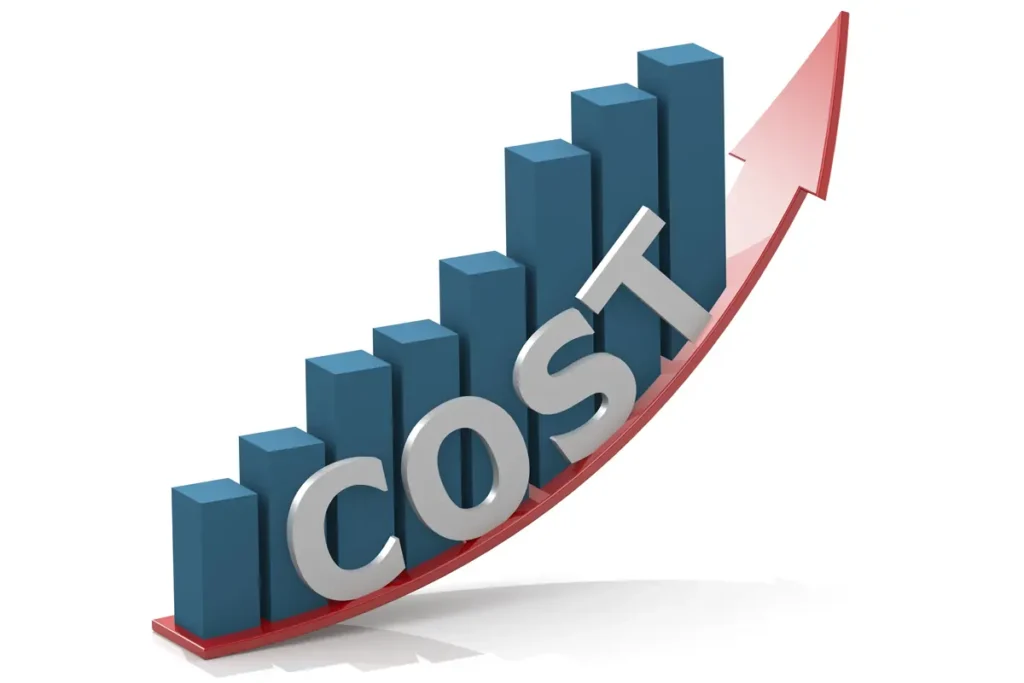
Most subscription pricing is designed to feel painless at the beginning. The monthly number looks small, especially when you are focused on getting your business running or fixing an immediate problem.
In year one, the cost barely matters. In year two, it still feels manageable. By the time you reach year three or five, the story usually changes. User counts grow. Pricing tiers shift. Features that were once included now cost extra.
Very few business owners ever sit down and calculate what they have actually paid over time. They see the monthly charge and move on. That makes it easy to underestimate the true cost of tools that are meant to be used every day.
Long-term businesses tend to think in longer windows. They care about what something costs over several years, not just what it costs this month. When you look at software that way, the difference between renting and owning becomes much clearer.
This is often the point where ownership starts to look less expensive and more practical. Not because subscriptions are always bad, but because long-term costs have a way of compounding quietly in the background.
Ownership Changes How You Think About Tools
When you own a piece of software, your relationship with it is different. You are not constantly evaluating whether it is still worth the monthly fee. You are not watching for pricing emails or worrying about the next plan change.
Owned tools tend to fade into the background. They do their job day after day without asking for attention, which frees up mental space. You spend less time managing vendors and more time running your business.
There is also less pressure to justify usage. With subscriptions, there is often an unspoken question about whether you are getting your money’s worth this month. Ownership removes that tension. The tool is already paid for, so the focus stays on results instead of cost.
Over time, this shift matters. Long-term businesses value systems that stay consistent. They want fewer moving parts and fewer surprises. Ownership supports that by turning software into infrastructure rather than an ongoing expense that needs to be defended.
This is one reason experienced owners often lean toward buy-once tools. Not because they are exciting, but because they simplify decisions and reduce noise over the long haul.
Control Beats Convenience Over Time

Convenience is powerful in the early stages of a business. Being able to sign up quickly, turn things on, and get moving has real value. For short-term needs, that flexibility can make a big difference.
As businesses mature, priorities shift. Stability starts to matter more than speed. Predictable systems matter more than shiny features. This is where control begins to outweigh convenience.
Owning software often gives you more say over how things run. You are less exposed to sudden changes, service interruptions, or decisions made by a provider that do not align with how your business operates.
Long-term businesses tend to value this kind of control. They want tools that behave the same way tomorrow as they did yesterday. They want fewer dependencies and fewer points of failure in critical systems.
Convenience can help you get started. Control helps you stay steady. Over time, that difference becomes hard to ignore.
Why This Matters More for Time Tracking

Some software tools are nice to have. Time tracking is not one of them. It runs every single workday and touches payroll directly, which means small issues tend to repeat themselves fast.
When time tracking feels unstable, the problems show up everywhere. Payroll takes longer. Managers double check numbers they should be able to trust. Employees question their hours. What should be a simple process turns into ongoing friction.
Because time tracking is so closely tied to pay, consistency matters more than constant change. Long-term businesses want systems that behave the same way every pay period, not tools that shift features, pricing, or rules without warning.
There is also the cost of switching to think about. Changing time tracking systems later means retraining staff, fixing data gaps, and rebuilding trust in the numbers. Many owners underestimate how disruptive that can be once a team grows.
This is why ownership tends to matter more here than with other tools. When you rely on a time clock every day, predictability and long-term stability often beat short-term convenience.
Why Buy-Once Software Fits Long-Term Thinking

Buy-once software aligns naturally with how long-term businesses operate. You pay for the tool, set it up, and keep using it. There is no clock running in the background reminding you that another charge is coming.
This model puts decisions back in the hands of the business owner. You choose when to upgrade. You decide whether new features matter to you. The software works on your terms instead of forcing changes on a schedule you did not set.
Over time, this creates predictability. Costs stay stable. Workflows stay familiar. Teams do not have to relearn tools every time something changes behind the scenes.
For systems that are part of daily operations, this kind of stability matters. Buy-once tools tend to become part of the business infrastructure, not something that needs constant attention or justification.
That is why many long-term businesses gravitate toward ownership-based software. It supports steady growth without adding recurring pressure or unnecessary complexity.
Where Subscriptions Still Make Sense

Subscriptions are not inherently bad. For some businesses, they solve real problems and make life easier. The key is understanding when they fit and when they start creating friction.
Fast-growing teams often benefit from subscription tools. When headcount changes quickly or workflows are still evolving, flexibility can be worth the ongoing cost. Being able to add users, adjust features, and scale up without much planning has value.
Some software also depends on constant updates to stay useful. Tools tied to regulations, integrations, or rapidly changing technology can justify a subscription model because the product needs to evolve continuously.
The issue is not subscriptions themselves. It is using them by default without thinking through the long-term impact. What works well in year one may not be the right fit once the business stabilizes.
Long-term businesses tend to be selective. They use subscriptions where flexibility truly matters and prefer ownership where stability, predictability, and control are more important.
How Long-Term Businesses Choose Software

Long-term businesses tend to evaluate software differently than newer ones. They are less focused on flashy features and more concerned with how a tool behaves over time.
Instead of asking what a product can do today, they ask what it will be like to live with. Will it still work the same way in five years? Will it introduce new costs or dependencies down the road?
They also think about risk. Critical systems should reduce uncertainty, not add to it. If a tool becomes unavailable, changes pricing, or forces upgrades, it can create problems far beyond the software itself.
This mindset leads to simpler choices. Tools that are predictable, easy to maintain, and owned outright tend to score higher than ones that require constant oversight or justification.
For long-term operators, the best software is often the kind that quietly does its job without becoming a recurring decision.
A Practical Example of Ownership in Time Tracking

Time tracking is a good place to see the difference between ownership and subscriptions in real life. It is not a tool you use once in a while. It runs every day, touches payroll, and affects how much people get paid. That makes stability more important than novelty.
When businesses own their time tracking software, the setup tends to stay consistent. Clock-in rules do not change unexpectedly. Reports look the same from one pay period to the next. Managers and employees both know what to expect.
This is where ownership-based systems like TimeClick tend to appeal to long-term businesses. Instead of paying indefinitely, you buy the software, install it on your own computers, and keep using it. There is no pressure to upgrade unless it actually makes sense for your operation.
Because the system runs locally, businesses keep control over their data and workflows. Internet outages do not stop employees from clocking in. Pricing does not shift as the team grows. The software simply does the job it was purchased to do.
Frequently Asked Questions
Business owners who think long term often ask similar questions when weighing ownership against subscriptions. These answers focus on practical realities, not marketing claims.
Why do long-term businesses prefer owning software instead of subscribing?
Owning software means paying once instead of indefinitely. For long-term businesses, this creates predictable costs, stable systems, and fewer surprises because the tool keeps working without relying on monthly payments or changing plans.
Is buy-once software really cheaper than subscriptions?
Buy-once software is often cheaper over several years. Subscriptions may look inexpensive at first, but the total cost grows as time passes, especially when user counts or pricing tiers increase. Buy-once tools avoid that long-term compounding.
Does buy-once time tracking software still receive updates?
Most buy-once systems include core updates and fixes, with optional upgrades for major versions. This lets businesses decide when an upgrade is worthwhile instead of being forced into constant changes.
Why does ownership matter more for time tracking than other tools?
Time tracking affects payroll every day, which makes consistency critical. Owning a time clock helps ensure stable rules, predictable reports, and fewer disruptions that could affect pay accuracy over time.
When does subscription software make more sense?
Subscriptions can work well for businesses that need rapid scaling, constant feature changes, or remote access from anywhere. They are useful when flexibility is more important than long-term cost control.
How should a business decide between ownership and subscriptions?
The decision should be based on how long the software will be used and how critical it is to daily operations. Long-term businesses usually choose tools that reduce risk, stay consistent, and do not create permanent overhead.
Final Thoughts
Long-term businesses tend to move away from tools that demand constant attention. They look for systems that feel steady, predictable, and easy to live with year after year.
Ownership supports that kind of stability. It removes recurring pressure, reduces surprises, and lets software fade into the background where it belongs. For tools that run every day, that calm matters more than hype.
Time tracking is a good example. When the system stays consistent, payroll gets easier, trust improves, and managers stop second guessing the numbers. The software becomes part of the foundation instead of a monthly concern.
Subscriptions will always have their place. But for businesses focused on longevity, control, and predictability, owning critical software often makes more sense. It is a quieter choice, but one that tends to hold up over time.
Not using TimeClick yet? Try our time clock software free. Simple setup, unlimited users, and built for small businesses. No credit card required.
Start your FREE TimeClick Trial Today.