Payroll errors rarely come from one big mistake. They usually start with small things that feel harmless at the time. A missed clock-out. A quick manual fix. A spreadsheet tweak done late in the day just to get payroll out the door.
For small teams, those little moments matter more than people realize. There is no payroll department to catch problems before checks go out. One person is often responsible for reviewing hours, fixing issues, and running payroll. When the time data is shaky, payroll becomes stressful instead of routine.
This is where most small teams get stuck. They know something is off, but the tools they are using still leave room for mistakes. This article explains why payroll errors happen so often on small teams and how TimeClick removes the conditions that create them in the first place.
Table of Contents
- Why Payroll Errors Hit Small Teams Harder Than Big Companies
- The Most Common Payroll Errors Small Teams Run Into
- Missed Clock-Ins and Clock-Outs
- Quick Fixes That Create Bigger Problems Later
- Manual Math and Spreadsheets
- Why Many Time Tracking Tools Still Leave Room for Errors
- How TimeClick Starts Reducing Payroll Errors at the Source
- Consistent Clock-In Behavior Reduces Human Error
- Local Time Capture Prevents Gaps Before They Happen
- Edits Stay Visible Instead of Disappearing
- Accurate Totals Without Extra Math
- Why Stability Matters More Than Features for Payroll Accuracy
- What Payroll Looks Like Once Errors Stop Piling Up
- Who TimeClick Works Best For
- Why Fewer Payroll Errors Matter More Than Anything Else
- Final Thoughts
Why Payroll Errors Hit Small Teams Harder Than Big Companies

In larger companies, payroll problems get absorbed by process. Multiple people review hours. Systems flag inconsistencies. Mistakes are often caught before they affect pay.
Small teams do not have that safety net. Time records move quickly from clock-in to payroll with very little review in between. If something is wrong, it usually shows up after payroll is already finished.
There is also more reliance on trust and memory. Someone says they worked through lunch. Another person forgot to clock out but remembers roughly when they left. These situations are common and usually handled informally. Eventually, that informality turns into inconsistent records.
The smaller the team, the more each error matters. One bad entry can throw off totals, create confusion, or lead to uncomfortable conversations that no one wants to have.
The Most Common Payroll Errors Small Teams Run Into

Missed Clock-Ins and Clock-Outs
Missed punches are one of the biggest sources of payroll issues. They do not always happen because someone forgot. Sometimes a system did not record the time correctly. Sometimes the workflow was unclear. Sometimes people were rushing.
When a punch is missing, someone has to fill in the gap. That usually means guessing or relying on memory. Even when everyone is acting in good faith, those estimates are rarely exact.
Quick Fixes That Create Bigger Problems Later
Small teams move fast. When something looks off, it is tempting to fix it quickly and move on. A time entry gets adjusted. A total gets changed. Payroll runs.
The problem is not the fix itself. It is that the fix often leaves no clear trail. When questions come up later, there is nothing to point to except memory. That is when trust starts to erode and payroll becomes harder instead of easier.
Manual Math and Spreadsheets
Spreadsheets stick around because they feel familiar and flexible. They also introduce quiet risk. A formula can break. A cell can be overwritten. Totals can look right until they are not.
For small teams, spreadsheet errors often surface after payroll is done. Fixing them means backtracking, issuing corrections, and spending more time on something that should have been finished already.
Why Many Time Tracking Tools Still Leave Room for Errors

Switching to time tracking software helps, but it does not automatically solve payroll problems. Many tools still depend on conditions that are hard to control.
Some systems rely heavily on constant internet access. When connections drop or apps fail to sync, punches get missed. Other tools allow edits with very little visibility, which makes it easy to correct mistakes but also easy to introduce new ones.
Over time, teams adapt by working around the system. They double-check hours manually. They keep notes on the side. Payroll accuracy ends up depending on effort instead of process.
How TimeClick Starts Reducing Payroll Errors at the Source

TimeClick takes a simpler approach. Instead of adding more features or automation, it focuses on making time tracking consistent and predictable.
When the rules stay the same and the system works the same way every day, people make fewer mistakes. Clock-ins become routine. Reviews become faster. Payroll turns into a confirmation step instead of a cleanup job.
Consistent Clock-In Behavior Reduces Human Error
One of the easiest ways to reduce payroll errors is to remove uncertainty. When employees are never quite sure how or where they are supposed to clock in, mistakes follow. A missed step one day turns into a habit the next.
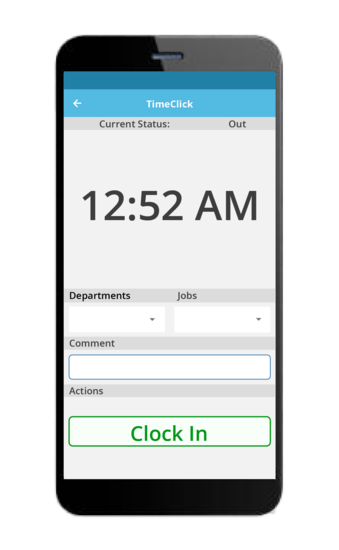
TimeClick keeps clock-in and clock-out behavior consistent. The process does not change based on plans, updates, or shifting settings. Employees learn it once and repeat it the same way every shift. That repetition matters. It builds muscle memory and removes hesitation.
When people know exactly what to do every time, fewer punches get missed and fewer corrections are needed later.
Local Time Capture Prevents Gaps Before They Happen
Many payroll problems start long before payroll day. They start at the moment a clock-in fails to record properly. Internet hiccups, sync delays, or app glitches all create gaps that someone has to fill in later.
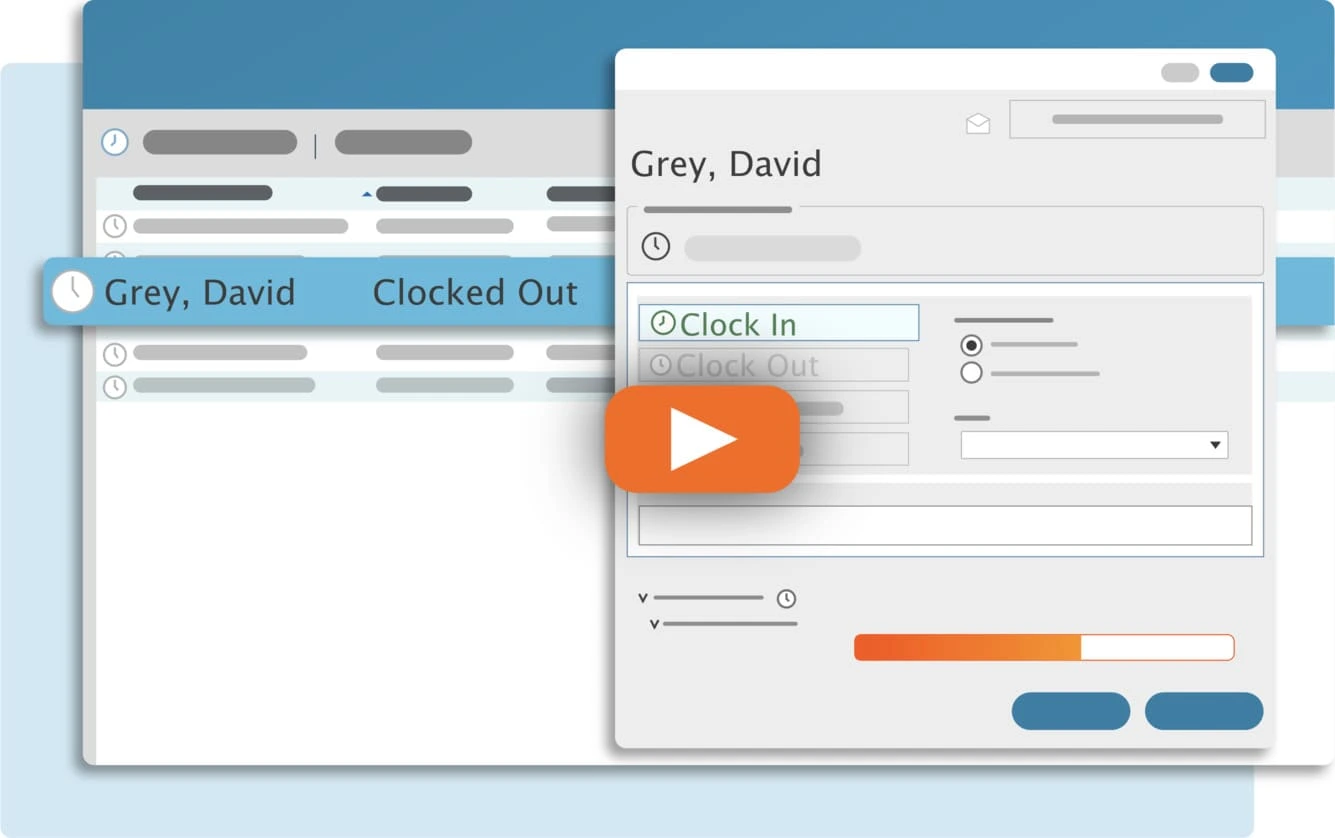
Because TimeClick runs directly on your computers, time entries are captured locally. Clock-ins work even when the internet is slow or unavailable. There is no waiting for data to sync and no missing records that appear hours later.
That reliability removes a whole set of payroll problems. Instead of asking why a punch is missing, managers can trust that the time was recorded when it happened.
Edits Stay Visible Instead of Disappearing
No time tracking system eliminates the need for edits entirely. People forget to clock out. Schedules change. Mistakes still happen. The difference is how those edits are handled.
When changes are invisible, payroll becomes a guessing game. When changes are clearly recorded, payroll stays clean. TimeClick keeps edits visible so managers can see what was changed and review hours with confidence.
This visibility protects both sides. Employees know their time is handled fairly, and managers are not relying on memory when questions come up later.
Accurate Totals Without Extra Math
Every manual step between time tracking and payroll is a chance for error. Converting hours, checking totals, and copying numbers into another system all add friction.
TimeClick organizes hours so they are ready for payroll without extra calculation. When totals are already accurate, payroll becomes a review process instead of a reconstruction effort.
That simplicity saves time, but more importantly, it reduces the chances of small mistakes turning into bigger problems.
Why Stability Matters More Than Features for Payroll Accuracy
Payroll accuracy improves when systems stay stable. Small teams build habits around tools that do not change on them. When software changes often or limits access over time, those habits break.
With software you purchase once and use long term, the workflow stays the same. There are no surprise restrictions and no shifting rules that force teams to adapt midstream. That stability leads to cleaner data and fewer workarounds.

If you want to see how the one-time purchase model works in practice, you can review TimeClick pricing
Over time, consistent systems create consistent results. Payroll stops being something you worry about and starts being something you expect to go smoothly.
What Payroll Looks Like Once Errors Stop Piling Up

When payroll errors disappear, the change is noticeable almost immediately. Payroll runs take less time because there is less to fix. Hours do not need to be rechecked line by line. Totals make sense on the first pass.
Managers stop bracing for problems on payroll day. Instead of hunting for missing punches or trying to remember what happened two weeks ago, they are reviewing clean records that already tell the story.
Employees feel the difference too. Fewer questions come up about hours worked or pay amounts. When the numbers are consistent, trust builds naturally. Payroll stops being a source of tension and becomes a background task that just gets done.
That consistency compounds over time. Each clean payroll run reinforces good habits and reduces the chances of future mistakes. The system starts working for the team instead of the team working around the system.
Who TimeClick Works Best For

TimeClick is a strong fit for small teams that value accuracy and predictability over constant change. It works well in offices, on-site environments, and businesses where employees clock in from shared or controlled computers.
Teams that want full control over their time data and prefer systems that work the same way every day tend to get the most benefit. The goal is not to chase new features, but to eliminate recurring payroll problems.
For teams with highly mobile workforces or constantly shifting workflows, a different setup may make more sense. The important part is choosing a system that matches how your team actually operates, not how software marketing says it should.
Why Fewer Payroll Errors Matter More Than Anything Else
Payroll errors cost more than money. They waste time, create frustration, and chip away at trust. Small teams feel those costs faster because there is less room for inefficiency.
Extra features can look appealing, but they do not fix broken time records. What fixes payroll is reliable time capture, clear records, and a process that does not change unexpectedly.
When payroll runs cleanly every time, the system is doing exactly what it should. It stays out of the way and lets the business focus on work instead of fixing yesterday’s mistakes.
Final Thoughts
Payroll accuracy does not come from adding complexity. It comes from removing friction and making mistakes harder to make in the first place.
TimeClick helps small teams do that by staying consistent, predictable, and reliable. When time tracking works quietly in the background, payroll becomes routine again. That is when teams stop worrying about what went wrong and start trusting the numbers.
Not using TimeClick yet? Try our time clock software free. Simple setup, unlimited users, and built for small businesses. No credit card required.
Start your FREE TimeClick Trial Today.