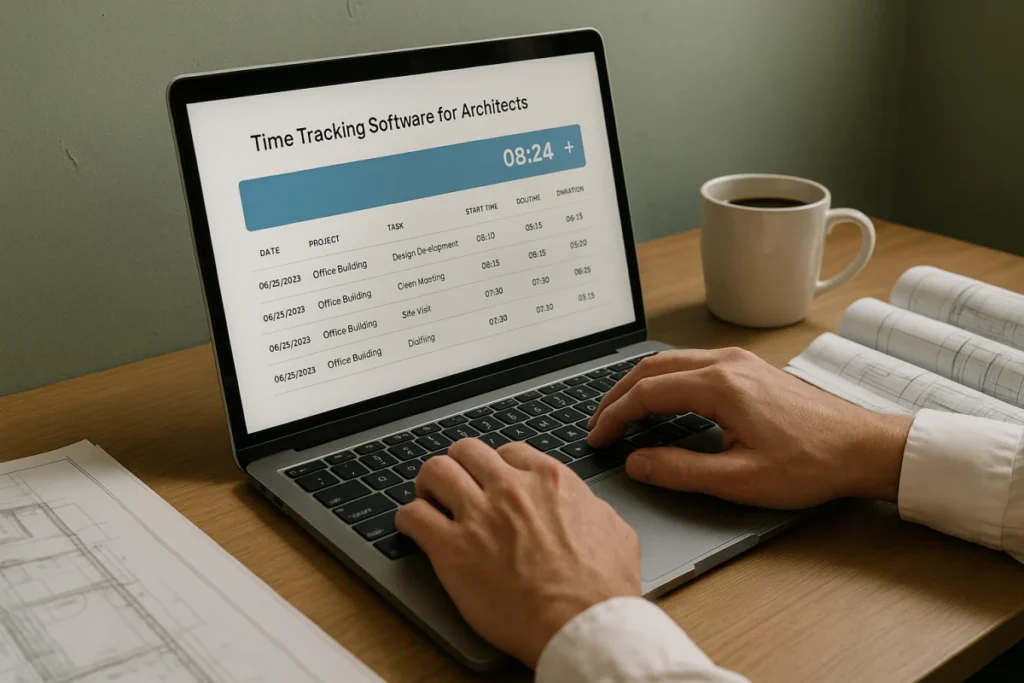
Time is one of an architect’s most valuable assets.
Every stage of an architecture project, from the first sketch to the final site check, relies on how well time is tracked. Yet many firms still struggle with inaccurate estimates, scope creep, and lost billable hours that quietly drain profitability.
That’s why choosing reliable Time Tracking Software for Architects is no longer optional; it’s essential for running a smooth, profitable practice.
In this guide, you’ll learn why accurate time tracking matters, the features that truly support architects, and how to select the right tool for your firm with confidence.
Table of Contents
- Why Architects Need Time Tracking Software
- Improve Project Estimates
- Prevent Scope Creep
- Enhance Team Productivity
- Increase Profitability
- Essential Features in Time Tracking Software for Architects
- Why Spreadsheets Are a Costly Mistake for Time Tracking
- How to Implement Time Tracking in Your Architecture Firm
- Step 1: Define Your Goals
- Step 2: Choose the Right Software
- Step 3: Structure Time Tracking by Project Phases
- Step 4: Train Your Team
- Step 5: Analyze and Adjust
- Why TimeClick is the Best Time Tracking Solution for Architects
- The Bottom Line
Why Architects Need Time Tracking Software

Architecture firms operate in a constant balancing act. Multiple projects, overlapping deadlines, site visits, and client revisions all compete for attention at the same time. Without a reliable way to track hours, it becomes easy to underestimate workloads, miss billable time, or let administrative tasks quietly eat into design work.
The right time tracking software gives architects clarity. It shows exactly how time is being used across projects, phases, and team members, making it easier to manage workloads and ensure that effort turns into billable revenue.
Accurate time tracking goes beyond recording hours. It creates structure. When firms understand where time is actually going, they can tighten processes, reduce waste, and improve both project delivery and financial performance.
Here’s how dedicated time tracking software supports architects in practical, measurable ways:
Improve Project Estimates
Accurate historical time data makes future proposals stronger.
By seeing how long each project phase truly takes, firms can build more realistic schedules, price work correctly, and submit bids that protect margins without overpromising.
Prevent Scope Creep
Untracked hours make it harder to defend project boundaries.
When time is documented clearly, it’s easier to show what work is included in scope and when additional services should trigger a change order or added fees.
Enhance Team Productivity
Clear visibility into time usage highlights where work slows down.
Whether it’s excessive meetings, repeated revisions, or uneven workloads, time data helps firms make informed adjustments that keep teams focused and balanced.
Increase Profitability
Underestimated time leads directly to lost revenue.
A reliable time tracking system ensures every billable hour is captured, reducing write-offs and giving firms better control over project profitability.

Essential Features in Time Tracking Software for Architects
Not all time tracking software is designed for architectural work. Generic tools often fall short because they don’t reflect how projects actually move from concept to construction.
The right solution should support the way architects plan, design, and manage projects day to day, without adding friction or extra admin work.
These are the features that matter most when choosing time tracking software for an architecture firm:
- Project and Phase-Based Tracking – Architecture projects move through defined stages, such as conceptual design, design development, construction documentation, and site supervision. Your software should allow time to be logged by project and phase so you can budget accurately, track progress, and produce meaningful reports.
- Fast, Simple Time Logging – Time tracking should never interrupt design work. Look for tools with one-click timers, quick task selection, and minimal setup so logging hours feels effortless rather than disruptive.
- Mobile and On-Site Tracking – Architects spend plenty of time away from their desks. A mobile-friendly system lets you capture hours during site visits, client meetings, or travel instead of relying on memory later.
- Clear Reporting and Analytics – Good software doesn’t just store data; it makes it useful. Reports should clearly show how time is distributed across projects, phases, and team members, helping you identify inefficiencies and improve planning.
- Integration with Invoicing and Payroll – When time tracking connects directly to billing and payroll systems like QuickBooks, it reduces double entry, cuts down on errors, and keeps financial workflows consistent.
Why Spreadsheets Are a Costly Mistake for Time Tracking

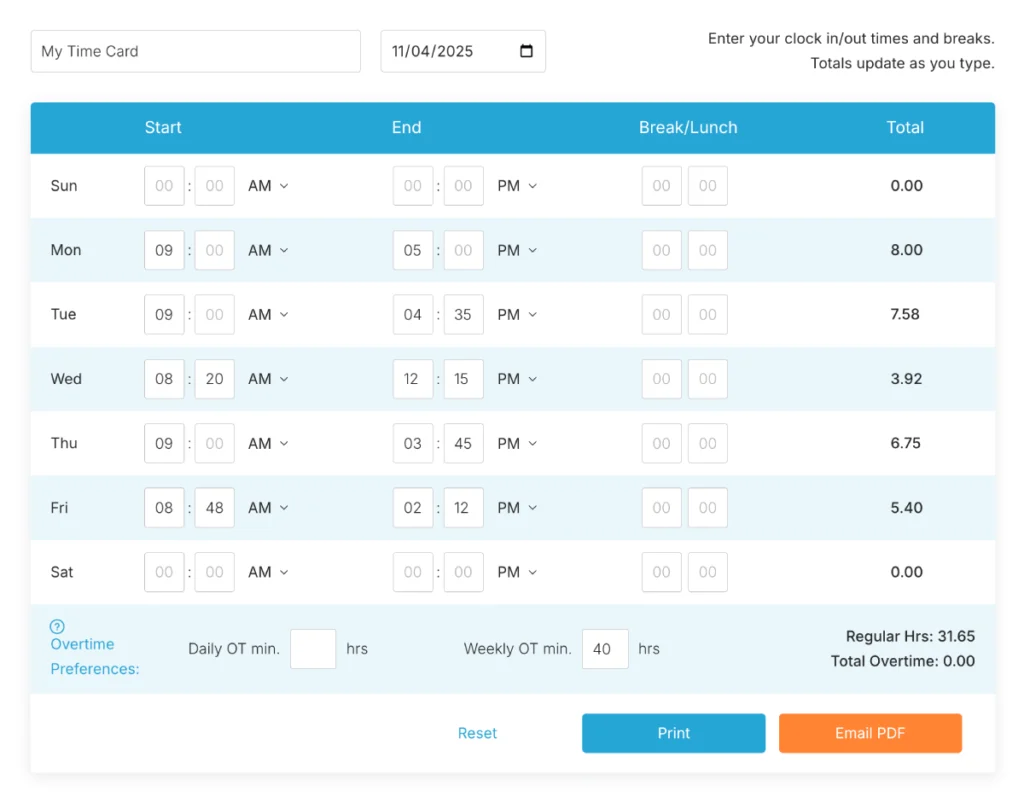
Many architecture firms still rely on spreadsheets to track time, largely because they feel familiar. Unfortunately, that familiarity often hides serious inefficiencies and risks.
Manual tracking may seem inexpensive on the surface, but it frequently leads to errors, lost billable hours, and unnecessary administrative work.
Here’s why spreadsheets fall short and why purpose-built time tracking software is the better long-term option:
- Prone to Errors – Manual data entry invites mistakes. A single typo or broken formula can throw off totals, leading to billing errors and payroll issues.
- Time-Consuming and Inefficient – Updating spreadsheets requires constant maintenance. Managing multiple files across projects wastes time that could be spent on actual design work.
- No Real-Time Tracking – Spreadsheets depend on hours being entered after the fact, which increases the chance of forgotten or inaccurate entries. Real-time tools capture work as it happens.
- No Integration with Other Systems – Spreadsheets don’t connect to invoicing, payroll, or project management tools. This forces duplicate work and increases the risk of inconsistencies.
- Limited Visibility and Insight – While spreadsheets can list hours, they don’t provide meaningful analysis. Dedicated software turns time data into insights that help firms improve efficiency and profitability.
Switching to a dedicated time tracking system removes these bottlenecks, giving architecture firms more accuracy, better visibility, and greater control over every project.
How to Implement Time Tracking in Your Architecture Firm

Putting a structured time tracking system in place isn’t just about recording hours.
It’s about gathering insights that help your firm work more efficiently and profitably. Whether you’re moving away from spreadsheets or improving your current setup, a clear plan makes adoption smoother and long-term success more likely.
Step 1: Define Your Goals
Start by identifying what you want to improve. Are you losing billable time? Do you need more accurate project estimates? Are certain phases taking longer than expected? Setting clear goals will guide your tracking strategy and help measure progress.
Step 2: Choose the Right Software
Select a tool that supports phase-based tracking, integrates with accounting and design platforms, and allows mobile time logging for on-site work. Avoid generic software that doesn’t fit the unique structure of architectural projects.
Step 3: Structure Time Tracking by Project Phases
Organize your tracking categories around how architectural projects naturally flow. For example:
- Concept Development
- Schematic Design
- Design Development
- Construction Documentation
- Permitting and Approvals
- Construction Administration
This setup makes it easier to see where time is going, identify bottlenecks, and improve future project estimates.
Step 4: Train Your Team
Make sure everyone understands why time tracking matters and how to use the system correctly. Encourage real-time logging instead of end-of-day entries, and provide easy tools that fit naturally into their workflow.

Step 5: Analyze and Adjust
Review your time tracking data regularly to uncover trends and inefficiencies. Are certain phases consistently running over schedule? Is too much time spent on revisions? Use this information to refine processes, allocate resources better, and keep projects on track financially.
Why TimeClick is the Best Time Tracking Solution for Architects
When it comes to time tracking, architects have a unique set of challenges.
Between shifting project phases, site visits, and client meetings, time can easily slip through the cracks. Choosing software that actually fits the rhythm of architectural work - not just generic office tracking - is what makes the difference. That’s where TimeClick stands out.
TimeClick isn’t just another time clock tool. It's designed to fit the way architects plan, build, and manage projects.
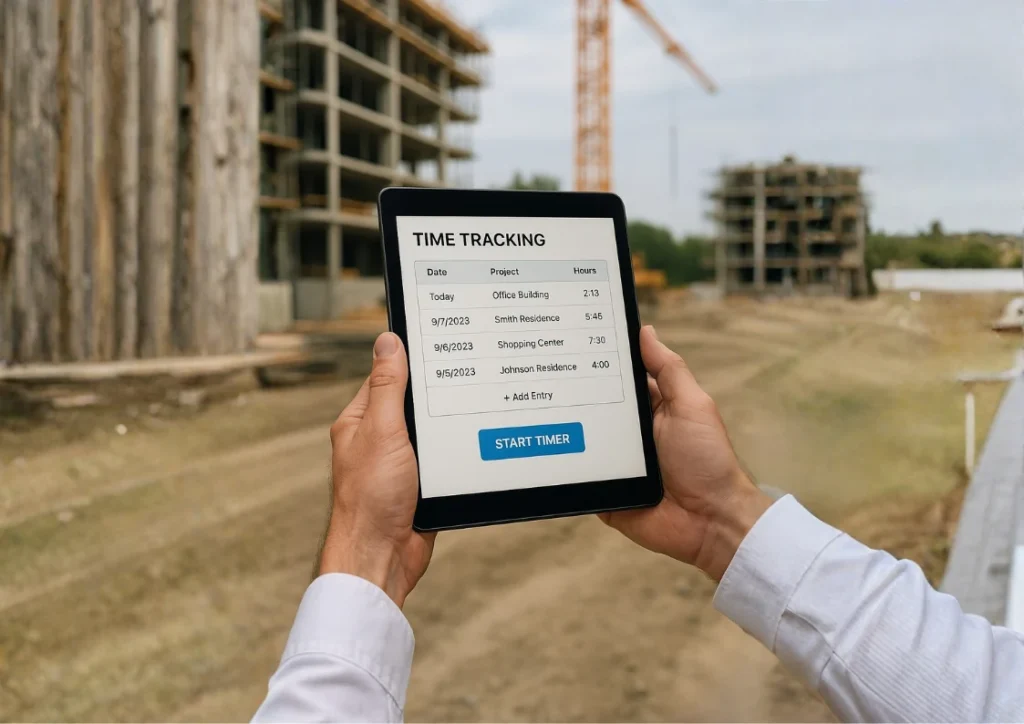
Here’s why it works so well for architectural firms:
- Built Around Project Phases - Architectural work happens in stages: schematic design, design development, construction documentation, and more. TimeClick lets you track time by each phase, giving you clear data on where your team’s efforts go and helping you make smarter estimates on future projects.
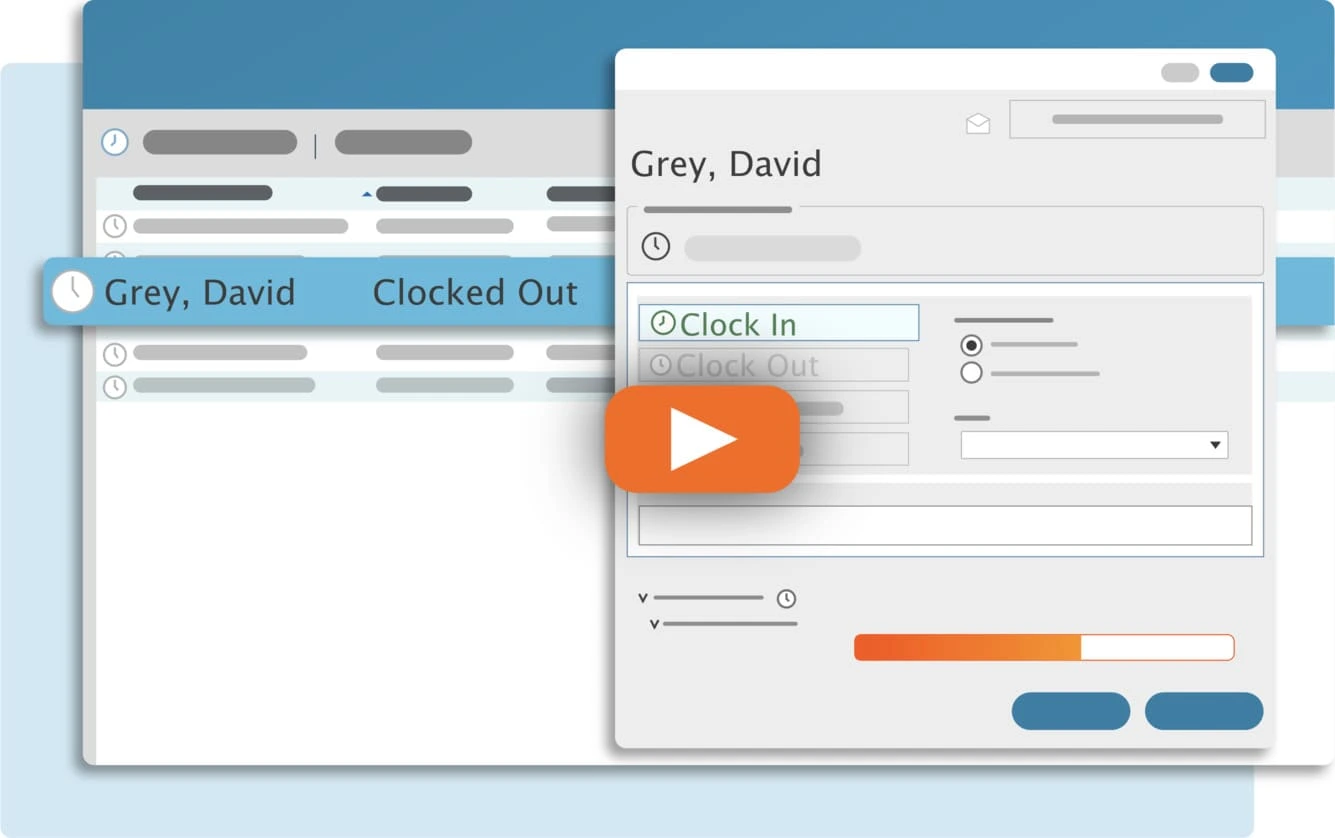
- Simple, Fast Time Entry - No one wants to spend extra time logging hours. TimeClick’s clean, intuitive interface makes it easy for team members to clock in and out or start a timer with one click. It’s built to capture accurate data without interrupting your day.
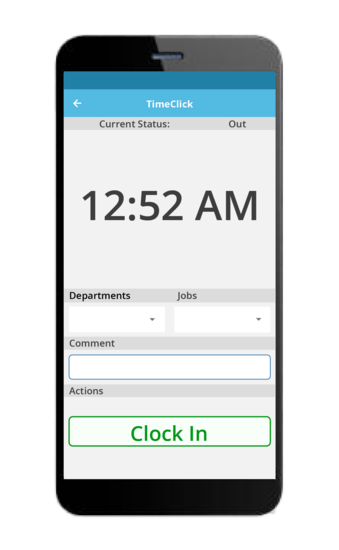
- Works Anywhere You Do - Architects don’t just work at their desks. Whether you’re visiting a job site or meeting with a client, TimeClick Mobile lets you log hours in real time from your phone or tablet — no waiting until you’re back at the office.
- Insightful Reports That Actually Help - With customizable reporting tools, you can see exactly how time is distributed across projects, phases, and employees. These insights help firms uncover inefficiencies, adjust staffing, and keep projects within scope and budget.
- Integrated with Your Accounting Workflow - TimeClick syncs with accounting and payroll systems to eliminate double-entry and manual errors. Hours flow directly from timesheet to billing, saving your admin team hours each week.
The real advantage of TimeClick is how naturally it fits into the way architects already work.
It gives firms clarity on time and costs without adding complexity.
For teams that want accurate data, less paperwork, and more control over profitability, TimeClick is the practical choice.
The Bottom Line

Accurate time tracking is the backbone of an efficient, profitable architecture firm. The right time tracking software for architects helps eliminate hidden inefficiencies, sharpen project estimates, and make sure every billable hour is fully accounted for.
TimeClick offers a purpose-built, architect-friendly solution that simplifies daily tracking, enhances reporting, and integrates seamlessly into the way your team already works. Investing in dedicated software isn’t just about logging hours — it’s about gaining clarity, control, and the insights needed to manage projects with confidence and grow your practice sustainably.
Start optimizing your firm’s time today with TimeClick and see the difference that precise, reliable tracking can make.