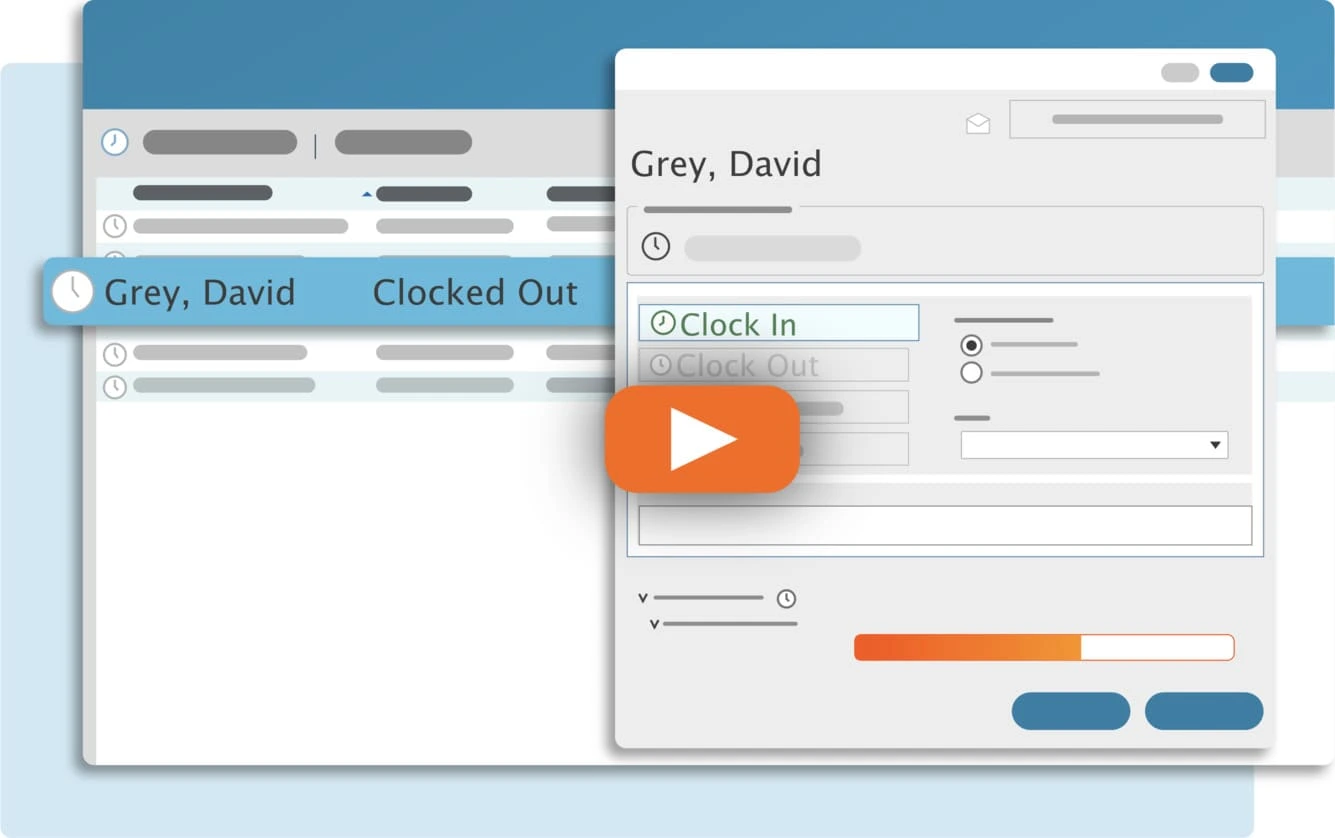
Picking time clock software might seem simple at first, but the pricing model changes the long-term impact. Some systems let you pay once and own the software outright, while others charge monthly fees. Both handle the basics like tracking hours and running payroll, but the real differences show up over time.
This guide breaks down how buy-once software like TimeClick stacks up against subscription-based systems. We’ll focus on cost, reliability, and everyday use to help you figure out which one makes the most sense for your business.

If you’re thinking about the benefits of owning your time clock software and keeping costs predictable, check out TimeClick's pricing
Table of Contents
- The Real Difference: Ownership vs Ongoing Fees
- Comparison: Offline Reliability and Control
- Offline Reliability
- Who Controls Updates
- Data Control
- Comparison: Time Corrections and Payroll
- Comparison: Setup, Support, and Ongoing Maintenance
- Which Businesses Benefit Most from Subscription Time Clock Software
- Which Businesses Are Best Suited for TimeClick?
- A Simple Decision Checklist
- Frequently Asked Questions
- Final Takeaway: Choose What Fits How You Work
The Real Difference: Ownership vs Ongoing Fees

At first glance, most time clock software seems similar. Employees clock in, hours get tracked, and payroll gets done. The real difference shows up after a year or two, when the costs start telling a different story.
Buy-once software like TimeClick works like other business equipment. You pay upfront, install it, and use it as long as you need it. For example, a single-device license costs $299 upfront. That’s it. There’s no ongoing meter running in the background, and the cost doesn’t increase just because you hire someone new.
Subscription-based tools take a different approach. Instead of owning the software, you’re essentially renting it. Most charge a monthly fee, often per employee, with some adding a base fee on top.
For instance, a subscription service might charge $5 per employee per month, plus a $50 base fee. For a team of 10, that’s $650 per year, and the cost grows as your team expands. It feels affordable at first, especially for smaller teams, but over time, subscription fatigue can set in as costs grow with your team.
If long-term cost control is a concern, this breakdown shows how buy-once time tracking software saves money over time
That doesn’t mean subscription software is bad. It can make sense if your team changes often, relies on mobile access, or wants regular feature updates. Paying monthly gives you flexibility.
On the other hand, buy-once software works better for businesses with stable teams and workflows that don’t change frequently. Predictable costs can be more valuable than constant updates, and you’ll know exactly what you’re spending year after year.
The decision comes down to how your business actually runs, not which pricing model sounds better on paper.
Comparison: Offline Reliability and Control

Offline Reliability
Time tracking only works if it’s reliable. That’s where locally installed software and cloud-based systems start to separate.
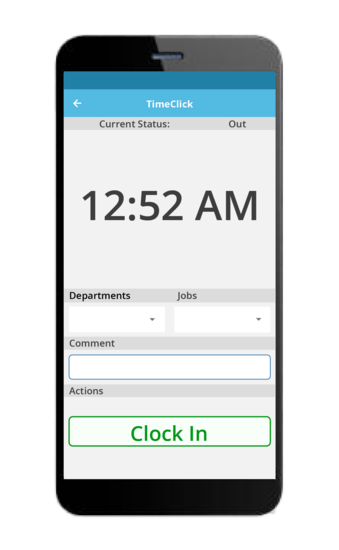
Buy-once software like TimeClick runs directly on your computer or network. If the internet goes down, employees can still clock in, and payroll keeps running without interruptions. There’s no reliance on an outside service, so your operations stay on track no matter what.
Subscription software, on the other hand, depends on an internet connection. Most of the time, this isn’t an issue, but when Wi-Fi drops, cell service is spotty, or a provider has an outage, clock-ins can be delayed or missed. Some systems offer offline syncing, but even that adds extra steps where things can go wrong.
For businesses in one location, offline reliability might not seem like a big deal, until something goes wrong. That’s when having a system that works no matter what becomes a real advantage.
Who Controls Updates
With buy-once software like TimeClick, you’re in control of updates. You decide if and when to install them, so your system stays consistent unless you choose to make changes.
Subscription platforms handle updates automatically. This keeps features current, but it can also mean unexpected changes to the interface, workflows, or settings without warning.
If your team values stability, having control over updates can help avoid confusion and reduce the need for retraining.
Data Control
Data control is another key difference. With local software, your time data stays on your machines. You decide where it’s stored, who can access it, and how long it’s kept.
Cloud systems store data on external servers. While this is convenient and generally secure, your access depends on having an account, a login, and an active subscription. If you stop paying, you could lose access to your data.
If you value the ability to log in from anywhere, cloud systems make that easy. But if you prefer to keep everything in-house and independent of subscriptions, local software gives you that control.
Ultimately, it comes down to what matters more: accessing your data from anywhere or keeping it fully under your control.
Comparison: Time Corrections and Payroll
Time tracking only matters if it turns into accurate payroll without adding extra work. This is where the difference between local software and subscription platforms becomes clear.
With buy-once software like TimeClick, the process is simple. Employees clock in and out, managers review the hours, and reports are generated and exported for payroll. The data stays within your system unless you choose to send it somewhere else, keeping everything clean and under your control.
This setup works well for businesses that value control. You decide when payroll runs, what gets exported, and how the data is handled. Nothing syncs automatically unless you choose it to.
Subscription software, on the other hand, focuses on automation. Time entries can flow directly into payroll systems, accounting tools, or even billing platforms. For teams already using those tools, this can save a lot of time.
The tradeoff is that automation can sometimes mask issues until they show up on a paycheck. If a setting is off or a rule changes, bad data can move quickly through the system. Fixing it often means tracking down the problem across multiple platforms.
Another difference is how corrections are handled. Local systems usually make edits more visible. If someone changes a time entry, you can clearly see it. Cloud systems can streamline edits so much that mistakes are easier to miss.
If payroll accuracy is a recurring challenge for your business, it’s worth digging into how different systems handle edits, approvals, and exports before making a decision.
If payroll mistakes are costing you time or trust, this guide breaks down where errors usually start and how better time data helps prevent them: How Accurate Time Tracking Reduces Payroll Errors
Comparison: Setup, Support, and Ongoing Maintenance

How a system works on day one matters. How it holds up six months later matters more.
Buy-once software like TimeClick typically starts with a one-time setup. You install it, configure employees and pay rules, and you’re done. There’s no ongoing maintenance beyond occasional updates, and even those are optional.
This upfront setup is usually more deliberate. You make decisions, document them, and move forward. For many small businesses, this approach means fewer surprises down the road.
Subscription software, on the other hand, feels easier to get started with. You sign up, invite employees, and start clocking in almost immediately. It’s quick and low-effort, which is great when you’re short on time.
But over time, maintenance becomes an ongoing task. Apps need updates, permissions change, new features roll out, and settings shift. Before you know it, someone on your team becomes the unofficial system manager, even if that wasn’t the original plan.
Support is another area where these models differ. With smaller, buy-once software companies, support is often more personal. If something goes wrong, you’re likely to talk to someone who knows the product inside and out and can help you fix the issue quickly.
Subscription platforms often rely on ticket systems, chat support, or knowledge bases. These work fine for common questions, but they can feel frustrating when your issue doesn’t fit a standard script.
Neither model guarantees better support. It really depends on what you value. If you prefer stability and minimal changes, a system that doesn’t evolve constantly can reduce the need for support. If you like having access to new features and updates, ongoing support becomes part of the tradeoff.
Setup and maintenance might not show up on pricing pages, but they show up in the time you spend managing the system. That’s worth factoring into your decision.
Which Businesses Benefit Most from Subscription Time Clock Software

Subscription-based time clock software is a great fit for businesses where flexibility matters more than predictability. These systems are designed for companies that deal with frequent changes and need access from anywhere.
Field teams are a perfect example. If employees clock in from different job sites every day, mobile access and location tracking can be incredibly helpful. Knowing who’s working and where in real time can cut down on a lot of back-and-forth communication.
Businesses with constantly changing schedules, like restaurants, retail stores, and hospitality teams, also benefit. Shift swaps, last-minute changes, and varying availability are easier to manage with built-in scheduling tools and notifications that keep everyone on the same page.
Multi-location businesses see value too. When employees are spread across offices, stores, or regions, a cloud-based system eliminates the hassle of managing separate local setups. Everyone can log into the same platform, no matter where they’re working.
Subscription tools are also appealing if you want everything connected. When time tracking integrates directly with payroll, accounting, or reporting tools you already use, it can reduce manual steps and save time.
For businesses that prioritize convenience, mobility, and built-in scheduling, subscription software is often worth the investment. It’s especially useful in environments where work happens in multiple locations or doesn’t follow a predictable routine.
Which Businesses Are Best Suited for TimeClick?

Buy-once time clock software like TimeClick works well for businesses where work happens in one place and routines are fairly consistent. The focus isn’t on managing constant change. It’s on tracking hours accurately and keeping payroll simple.
Offices, medical practices, manufacturing shops, warehouses, and professional service firms are good examples. If employees clock in at the same location each day, a shared clock-in station keeps things straightforward. There’s no need to manage apps, personal devices, or location settings.
Teams with steady schedules also benefit. When shifts don’t change often, advanced scheduling tools usually go unused. In those cases, a system that cleanly records actual hours worked is all you really need.
TimeClick also makes sense for businesses that don’t want software costs increasing every time they hire. If you’re planning for long-term stability and predictable expenses, owning the software removes one variable from your budget.
Another advantage is control. Your time records stay on your systems. You’re not depending on an active subscription or internet connection just to access your own data.
If your priority is reliability, clear payroll totals, and a system that runs quietly in the background, TimeClick fits naturally into that kind of environment.
If you want a deeper look at how TimeClick works in practice, check out the breakdown in our full TimeClick review
A Simple Decision Checklist
If you’re still unsure, it helps to step back from feature comparisons and ask a few practical questions about how your business operates.
- Do most of your employees work from a single primary location?
- Do schedules change frequently, or are they mostly consistent?
- Would losing internet access disrupt your time tracking for the day?
- Are you okay with ongoing monthly fees that grow as your team grows?
- Do you prefer time data to sync automatically, or would you rather review it before running payroll?
- Is owning your software and data important to you?
There are no right or wrong answers here. The goal is to choose software that fits how your business runs, not to chase features you might never use.
Once you’ve answered these questions, the decision often becomes much clearer.
Frequently Asked Questions
Here are some of the most common questions business owners ask when comparing buy-once time clock software to subscription-based tools.
Is buy-once time clock software outdated compared to cloud systems?
Not at all. Buy-once software focuses on doing one thing well: tracking employee hours reliably. For businesses with stable schedules and on-site work, that reliability often matters more than constant feature updates.
Do subscription time clock systems cost more over time?
They usually start out cheaper, especially for small teams. However, as your team grows, monthly fees can add up. The long-term cost depends on how many employees you have and how long you plan to use the system.
Can TimeClick handle payroll reporting?
Yes. TimeClick generates payroll-ready reports that can be reviewed and exported for use with most payroll systems. While it’s more hands-on than automatic syncing, this approach gives you greater control over the process.
Do small businesses really need mobile clocking?
Only if employees work remotely or across multiple locations. For teams that clock in at the same place every day, mobile clock-ins often add unnecessary complexity.
What happens to time data if a subscription is canceled?
Access to cloud-based systems typically ends when the subscription stops. Some platforms allow you to export data, but access and features are usually limited once payments stop.
Is a free time clock better than buy-once or subscription software?
Free time clock tools can work for very small teams, but they often come with limits on users, reports, or support. As businesses grow, those limits usually lead to choosing either a buy-once system for predictability or a subscription platform for flexibility.
Final Takeaway: Choose What Fits How You Work

Subscription systems make sense for businesses that need mobility, built-in scheduling, and constant integration. Buy-once software like TimeClick makes sense for teams that value stable costs, simple workflows, and reliability on-site.
The right choice matches how your team actually operates. When your time tracking system fits your workflow, it fades into the background and just works.
Not using TimeClick yet? Try our time clock software free. Simple setup, unlimited users, and built for small businesses. No credit card required.
Start your FREE TimeClick Trial Today.