Running a small business means watching expenses closely. You probably know exactly what you pay for rent, payroll, insurance, and taxes. Software feels different. Most tools charge small monthly fees, and those numbers rarely trigger alarm bells. Ten dollars here. Twenty dollars there. It feels manageable, so it stays off the worry list.
Time tracking software often falls into that category. You sign up because it solves a real problem. Payroll gets easier. Hours are cleaner. Fewer arguments at the end of the pay period. The cost feels minor compared to the headache it removes.
The problem is not that the software is expensive. The problem is how long you end up paying for it.
Over time, those quiet monthly charges turn into a permanent line item you stop questioning. And for many small businesses, that is where money slowly leaks out without anyone noticing.

If you want a quick refresher on the basics before diving into pricing models, this overview explains what time tracking software actually does
Table of Contents
- The Cost Problem Small Businesses Don’t See Right Away
- Why Monthly Time Tracking Fees Quietly Compound
- Small Per-Employee Costs Add Up Over Time
- Team Growth Turns Flat Pricing Into Rising Expenses
- Long-Term Software Costs vs One-Time Ownership
- Predictable Costs Make Budgeting Easier
- Why Long-Term Planning Changes the Math
- The Hidden Expenses That Don’t Show Up on Pricing Pages
- Paying for Inactive or Former Employees
- Forced Upgrades and Feature Gating
- Data Access Tied to Active Subscriptions
- Why Predictable Pricing Matters More as a Business Grows
- Cost Stability During Hiring and Expansion
- Avoiding Surprise Increases Year After Year
- How Buy-Once Software Reduces Long-Term Waste
- No Per-User Penalties as Teams Change
- Paying Once for Tools That Keep Working
- Cost Control vs Convenience: Understanding the Tradeoffs
- Why Subscriptions Can Feel Easier at First
- Where Convenience Can Become Expensive Over Time
- When a Buy-Once Pricing Model Makes Financial Sense
- Stable Teams and Long-Term Operations
- Businesses That Value Cost Certainty
- A Real-World Example of the Buy-Once Model in Action
- Final Thoughts: Cost Certainty Is a Competitive Advantage
The Cost Problem Small Businesses Don’t See Right Away

Most owners do not think about software costs in five-year chunks. They think in months. That mindset makes sense when cash flow matters and you are juggling a dozen priorities at once.
A subscription price usually looks harmless on day one. It might even feel like a bargain compared to hiring someone to manage time cards or fixing payroll mistakes by hand. So you approve it, set it up, and move on.
What rarely happens is a pause to ask a longer-term question. How much will this cost if nothing changes? Not next month. Not next year. But after several years of steady use.
Time tracking is not a short-term tool. Once it is part of your workflow, it tends to stay there. Employees rely on it. Payroll depends on it. Reports are built around it. Replacing it later feels disruptive, so most businesses keep paying without revisiting the decision.
That is where the real cost problem starts. Monthly fees blend into the background. They rise as your team grows. They continue even when employees leave. And because nothing breaks, there is no moment that forces you to re-evaluate whether the pricing still makes sense.
By the time you finally do the math, you are often surprised by how much you have already spent. Not because the software failed, but because the payment model quietly worked against you over time.
Why Monthly Time Tracking Fees Quietly Compound

Small Per-Employee Costs Add Up Over Time
Most subscription pricing looks harmless because it is framed per employee, per month. Ten or fifteen dollars does not feel like a big decision, especially when it replaces manual time cards or messy spreadsheets.
The issue is not the monthly number by itself. It is the way that number repeats without friction. Every pay period, every month, every year, the charge keeps coming whether you think about it or not.
With a small team, that cost feels almost invisible. But time tracking is not a temporary tool. Once it is part of payroll, it becomes permanent infrastructure. You are committing to an expense that stacks month after month.
Over a few years, those small charges quietly turn into thousands of dollars spent on something you already finished paying for in terms of setup, training, and workflow changes. The software keeps billing even though your use of it stays exactly the same.
Team Growth Turns Flat Pricing Into Rising Expenses
Subscription pricing also assumes your team stays the same size. In reality, most businesses change constantly. You hire. You lose people. You add seasonal help. You bring on part-time staff.
Every new hire increases your software cost immediately. The work they do might generate more revenue, but the time tracking tool gets more expensive before you see any of that upside.
What often gets overlooked is that software pricing rarely shrinks as cleanly as teams do in real life. Former employees come and go, but subscriptions tend to lag behind reality. Licenses stay active longer than needed. Seats remain unused. Costs keep ticking upward even when headcount drops back down.
Over time, what started as a simple per-user price turns into a variable expense that is harder to predict. The tool itself has not changed, but the way it is billed makes it more expensive the longer your business operates.
That is how monthly fees quietly compound. Not through dramatic price jumps, but through steady repetition tied to normal business growth.
If you want to see how long-term pricing models compare side by side, this breakdown walks through the real differences between buy-once vs subscription time tracking software
Long-Term Software Costs vs One-Time Ownership

Predictable Costs Make Budgeting Easier
One of the biggest differences between monthly software and buy-once tools shows up when you try to plan ahead. Subscriptions turn simple budgeting into guesswork. You know what you are paying today, but you cannot lock in what you will be paying two or three years from now.
Prices change. Plans get restructured. New tiers appear. Sometimes the increase is small enough that it slips through unnoticed. Other times it shows up as a larger jump tied to a feature you may not even need.
With a one-time purchase, the cost conversation happens once. You pay for the software, you own the license, and that expense is settled. There is no ongoing meter running in the background. That predictability makes it easier to forecast expenses and avoid surprises when reviewing your books.
For small businesses that keep a close eye on cash flow, knowing that a core system is already paid for removes a layer of financial noise. You are not wondering if next year’s budget needs to absorb another increase just to keep doing the same work.
Why Long-Term Planning Changes the Math
Short-term thinking tends to favor subscriptions. Long-term thinking often does not. The longer a business operates, the more those recurring fees outweigh the convenience that justified them at the start.
Time tracking rarely needs constant reinvention. Once it fits your workflow, most businesses use it the same way year after year. The value comes from consistency, not from frequent upgrades or new features.
When you step back and look at software through that lens, the math changes. Paying once for a stable system aligns better with how long the tool is actually used. You are matching the cost to the lifespan of the software, not renting access indefinitely.
This shift in perspective is where many owners start to question whether ongoing fees still make sense. Not because subscriptions are broken, but because their business has matured past the point where constant billing adds value.
The Hidden Expenses That Don’t Show Up on Pricing Pages

Paying for Inactive or Former Employees
Subscription pricing usually assumes every active user is pulling their weight. In reality, headcount is rarely that clean. Employees leave. Seasonal workers come and go. Roles change.
What often happens is a lag between reality and billing. Accounts stay active longer than they should. Seats remain assigned even when no one is using them. The charges keep going because nothing forces an immediate cleanup.
On paper, the pricing still looks reasonable. In practice, you are paying for access that no longer provides value. Over time, those unused licenses quietly add to the total cost without delivering anything in return.
Forced Upgrades and Feature Gating
Another cost that rarely shows up in marketing pages is how features get bundled and re-bundled over time. A tool you originally chose for basic time tracking might later move certain reports or controls into higher-priced plans.
You are not upgrading because your needs changed. You are upgrading because the pricing structure did. The software still does the same job, but access to familiar features now comes with a higher monthly bill.
These changes tend to feel unavoidable. Switching systems is disruptive, so many businesses accept the increase and move on. The cost grows, not because the tool improved, but because the rules around it changed.
Data Access Tied to Active Subscriptions
With many subscription tools, access to your own data depends on staying current with payments. If you ever pause, cancel, or fall behind, reports and historical records can become harder to reach.
That creates a quiet form of lock-in. You are not just paying for current use. You are paying to maintain access to years of time records that your business depends on.
This dependency does not show up as a line item, but it influences decisions all the same. The longer you rely on the system, the harder it feels to step away, even if the costs no longer line up with the value.
Why Predictable Pricing Matters More as a Business Grows

Cost Stability During Hiring and Expansion
Growth changes how software costs feel. When your team is small, expenses stay manageable almost by default. As you hire more people, every recurring charge starts to matter more.
With subscription-based tools, growth and cost are tightly linked. Each new hire increases your monthly bill right away. That might be acceptable when revenue is climbing steadily, but it adds pressure during slower periods or uneven growth.
Predictable pricing removes that tension. When a core system is already paid for, hiring decisions stay focused on business needs, not on how many new software charges they trigger. Expansion feels cleaner when costs are not automatically rising in the background.
Avoiding Surprise Increases Year After Year
Another challenge with recurring software is uncertainty. Even if pricing stays stable for a while, few businesses expect it to remain unchanged forever. Vendors adjust plans, restructure tiers, and revise terms.
Those changes are often small on their own, but they stack up. A slight increase here, a new requirement there, and suddenly the cost looks very different than it did when you first signed up.
When pricing is predictable, those surprises disappear. You know what you paid, and you know that cost will not change unless you choose to add something new. That certainty makes long-term planning simpler and reduces the mental overhead of managing yet another moving expense.
How Buy-Once Software Reduces Long-Term Waste

No Per-User Penalties as Teams Change
One of the quiet advantages of buy-once software is how it handles change. Teams grow, shrink, and shift roles all the time. With per-user subscriptions, every one of those changes has a cost attached to it.
Buy-once tools remove that variable. You are not constantly adding or removing seats, tracking who is active, or worrying about whether a short-term hire just triggered another monthly charge. The software stays the same even as your team changes around it.
That stability cuts down on waste. You are not paying extra just because headcount fluctuates. You pay for the system once and continue using it without micromanaging licenses.
Paying Once for Tools That Keep Working
Time tracking does not need to be flashy to be valuable. Once it fits your workflow, the best outcome is that it quietly does its job day after day.
Buy-once software aligns well with that reality. You are not renting access to something that rarely changes. You are investing in a tool that keeps working without requiring constant justification through new features or updates.
Over the long run, that approach reduces waste. You are not paying repeatedly for the same core functionality. You are simply using a system you already own, year after year, without the cost creeping higher just because time passed.
Cost Control vs Convenience: Understanding the Tradeoffs

Why Subscriptions Can Feel Easier at First
Subscription software is popular for a reason. It usually comes with a low upfront cost, quick setup, and very little commitment. You sign up, add your team, and start using it the same day.
That convenience matters, especially when you are busy and just need a problem solved fast. Monthly pricing spreads the cost out and avoids a larger upfront purchase, which can feel safer in the early stages of a business.
For many owners, that ease is enough to justify the ongoing fees. As long as the tool works and nothing breaks, the subscription fades into the background and feels like part of normal operations.
Where Convenience Can Become Expensive Over Time
The tradeoff shows up later. Convenience often comes with a lack of control. You are tied to ongoing billing, changing plans, and pricing decisions you do not make.
What once felt flexible can start to feel permanent. The software becomes embedded in your workflow, but the cost keeps renewing regardless of how much value changes over time.
At that point, the convenience you paid for up front may no longer outweigh the long-term expense. Not because the tool stopped working, but because the pricing model no longer matches how stable and predictable your needs have become.
Understanding that tradeoff helps frame the decision more clearly. It is not about which model is better in general. It is about which one fits the stage and direction of your business.
When a Buy-Once Pricing Model Makes Financial Sense

Stable Teams and Long-Term Operations
Buy-once pricing tends to make the most sense for businesses that are past the early experimentation phase. If your team size is relatively stable and your day-to-day operations do not change dramatically from year to year, recurring software fees start to feel less justified.
In these situations, time tracking is not something you are testing or adjusting constantly. It is a settled part of how payroll runs. You already know what you need, and that need is unlikely to change every few months.
When the workflow is stable, paying once for a system that keeps doing the same job aligns better with reality. You are matching the cost to how the software is actually used, not paying repeatedly for access to a tool that has already proven itself.
Businesses That Value Cost Certainty
Some owners are comfortable with variable expenses. Others prefer knowing exactly what their costs will be. Buy-once software appeals to the second group.
Cost certainty matters when you are planning ahead, managing tight margins, or simply trying to reduce financial noise. Having fewer recurring charges makes it easier to see where your money is going and why.
For businesses that prioritize long-term clarity over short-term convenience, a buy-once pricing model supports that mindset. It removes one more moving part from your budget and replaces it with something settled and predictable.
If you are still weighing your options, this guide explains what to look for when deciding how to choose time clock software for small businesses
A Real-World Example of the Buy-Once Model in Action

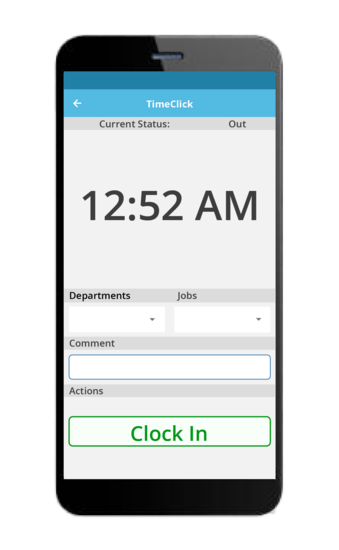
To make this less theoretical, it helps to look at how the buy-once model shows up in real software. TimeClick is one example of a time tracking system built around that approach.
Instead of charging per employee or per month, TimeClick uses a one-time license based on the number of computers you need. Once it is installed, the software keeps running without ongoing subscription fees. You are not billed again just because time passes or because your team changes.
Updates and optional upgrades are available, but they are not required to keep using the software. That means businesses stay in control of when and if they spend more. The core system does not stop working if you choose to stay on the version you already own.
This setup reflects the broader point of the buy-once model. The value comes from stability and ownership, not from continuous billing. For businesses that think long-term about costs, that difference matters.
If you want to see how the one-time license is structured, check out TimeClick's pricing here
Final Thoughts: Cost Certainty Is a Competitive Advantage

Most small businesses do not fail because of one big expense. They struggle because of many small ones that quietly pile up over time. Software subscriptions are easy to ignore for exactly that reason.
Buy-once time tracking software offers a different way to think about those costs. It trades short-term convenience for long-term clarity. You pay once, settle the expense, and move on.
That kind of certainty does not just save money. It reduces distractions, simplifies planning, and keeps your focus on running the business instead of managing recurring bills. For the right businesses, that stability becomes an advantage that compounds year after year.
Not using TimeClick yet? Try our time clock software free. Simple setup, unlimited users, and built for small businesses. No credit card required.
Start your FREE TimeClick Trial Today.