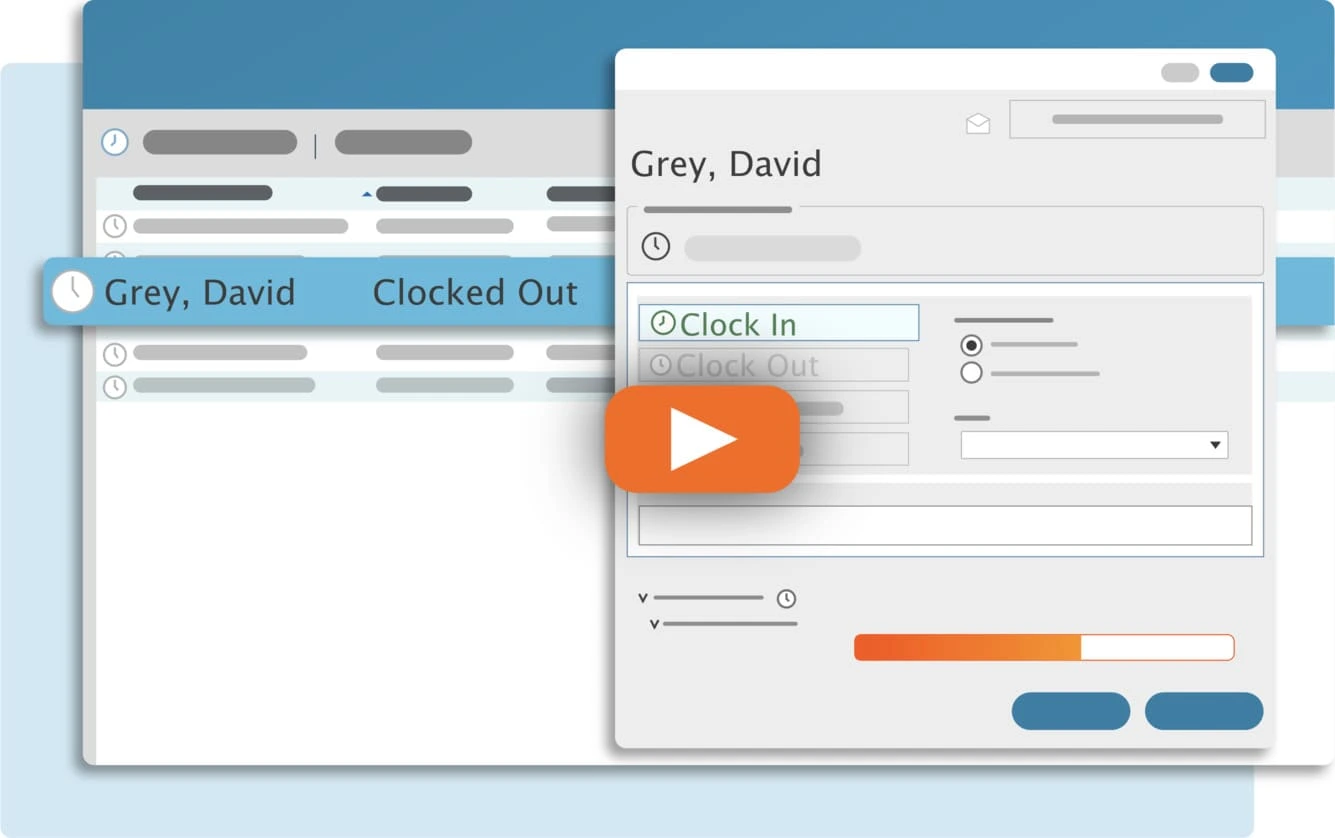
You want to simplify payroll for your small business, so you decide to look for a mobile app. It sounds like an easy fix, right?
Not all apps are created equal. Choosing the wrong tool can lead to frustrated staff, inaccurate payroll, and more headaches than you started with. This guide breaks down what makes a good app, the red flags to watch out for, and how employee behavior impacts your choice. By the end of this post, you will discover how to evaluate the best time clock apps for employees, focusing on usability, tracking accuracy, and employee privacy.
Usability: Does It Actually Make Life Easier?

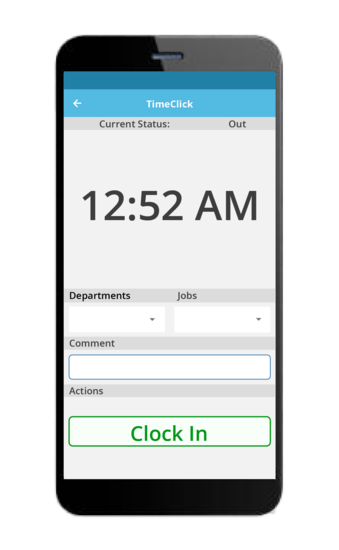
Usability is the most critical factor when selecting a time tracking tool. If your team finds the app confusing, they simply will not use it correctly. A good app should require basic computer skills at most. Your mechanics, dental hygienists, or retail staff should be able to clock in with just a tap or two.
A major red flag is a cluttered interface that takes five minutes just to log a shift. Complex menus and confusing buttons lead to missed punches and a lot of manual payroll corrections later on.
TIMECLICK TIP
Always test the app yourself before rolling it out to your team. If it takes you more than 10 seconds to figure out how to clock in, it is too complicated for daily use.
Tracking Accuracy and Syncing Issues
The core need of any time tracking system is accuracy. Accurate records ensure your payroll is compliant and completely free of errors.
When evaluating options, watch out for apps that fail to sync when a device drops offline or struggles to log exact timestamps. Features like GPS and geofencing work well in theory, but they can cause major glitches if the app's location services are poorly built. Buggy software creates discrepancies that force you to manually double-check every timesheet.
If you want to read more about preventing time theft without relying on buggy software, establishing a clear company policy is a great place to start.
| Feature Category | Good App Features | Major Red Flags |
|---|---|---|
| Data Management | Offline syncing capabilities | Data loss when out of service |
| Time Tracking | Clear confirmation of clock-in | Delayed or lagging punch times |
Employee Privacy and Pushback
It is incredibly important to consider the human element of introducing new software. How do your hourly employees feel about installing a work app on their personal phones?
For many workers, a required mobile app sparks a common fear of micromanagement and constant surveillance. A glaring red flag is any app that tracks an employee's location 24 hours a day rather than just at the exact moment of clocking in. This level of tracking drains trust and destroys team morale. In fact, the overuse of employee monitoring tools can directly lead to high staff turnover.
To roll out an app smoothly, be completely transparent about what data is collected. Show your team exactly how the system works and assure them their personal privacy is protected.
The Hidden Costs: Battery Drain and Tech Glitches

Poorly optimized apps take a physical toll on an employee's smartphone. An app constantly running GPS in the background will drain a battery before lunch. This is a massive red flag for any team using their own devices for work.
These tech glitches end up costing you money. If a phone dies, the employee cannot clock out, which means you are right back to fixing manual payroll errors.

If you are considering a no-cost option to save money, make sure you understand the risks first. Check out our guide on Are Free Time Clock Apps Reliable for Payroll?
When a Mobile App Isn't the Best Fit

While mobile apps are incredibly popular, they are not the perfect solution for every business environment. Sometimes, giving every employee an app creates more friction than efficiency.
A localized, server-based system often provides more stability and control. This is especially true for an office setting or a fixed-location clinic where employees arrive at the same building every day. Server-based setups keep data highly secure and eliminate the variables of personal phone issues entirely.
Not sure if mobile is the way to go? Read our complete breakdown of Time Clock Apps vs Desktop Software
Evaluating Your Time Tracking Options

The best time clock apps for employees balance usability, tracking accuracy, and respect for personal privacy. As a small business owner, your ultimate goal is to reduce payroll errors seamlessly, not add new technical hurdles to your daily routine.
Take a moment to evaluate your current setup. If you are tired of dealing with mobile app glitches and frustrated staff, it might be time to explore a simpler, more reliable system. Solutions like TimeClick can provide peace of mind, highly accurate records, and top-tier support without the burden of recurring monthly fees.
Frequently Asked Questions
Still have questions about evaluating time tracking tools? Here are a few common concerns from small business owners.
What is the biggest red flag in a mobile time clock app?
The biggest red flag is poor offline functionality. If an app loses data or fails to sync punches when an employee drops out of cell service, it completely defeats the purpose of accurate payroll tracking.
How do I handle employee pushback regarding privacy?
Transparency is key. Choose an app that only tracks location at the exact moment of a punch, and clearly communicate to your team that you are not monitoring their movements outside of those specific actions.
Not using TimeClick yet? Try our time clock software free. 10-minute setup, unlimited users, and built for small businesses. No credit card required.
Start your FREE TimeClick Trial Today.