On this page
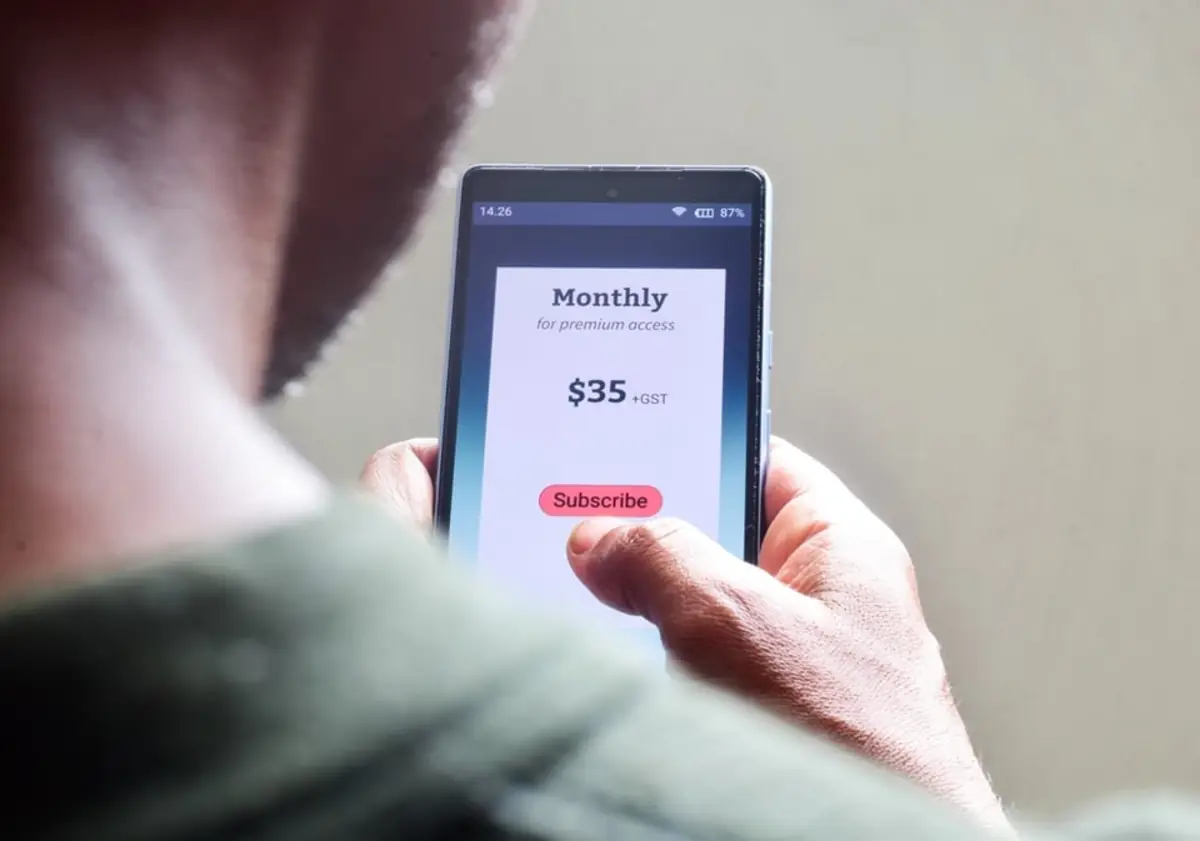
Go ahead, pull up last month's business credit card statement. You'll likely find a long list of recurring software subscriptions: email, accounting, your website, and probably a frustrating charge for time tracking. The software industry has spent the last decade convincing business owners that renting tools is the only way, but many are now pushing back against "SaaS fatigue."
According to a survey by vcita, 79% of small businesses juggle multiple digital tools, and a quarter of them say stabilizing cash flow is their biggest concern. Bleeding money on monthly software fees directly hurts that goal.
Time tracking is a perfect example. It's a basic, often legally required function for any business with hourly employees, a compliance necessity, not a flashy marketing tool. So why are so many small businesses forced to pay a premium for it every month?
The truth is, you don't have to. In this post, we'll explore the growing problem of subscription creep, why budget predictability matters more than ever, and how local businesses are returning to software ownership to regain control of their finances.
The Hidden Trap of Subscription Creep

To understand why businesses are changing their buying habits, we first need to look at how software pricing works today. Most modern software uses a pricing model that leads to subscription creep.
Subscription creep is the slow, quiet process where a supposedly cheap monthly fee gradually balloons out of control. It usually happens in two ways. First, your team grows. You hire a few more mechanics, dental assistants, or administrative staff. Because your software charges a per-user monthly fee, your bill automatically goes up. Second, the vendor decides to raise their base prices. You get a polite email letting you know that your plan is increasing by a few dollars a month to "serve you better."
When you combine a growing team with vendor price hikes, your monthly time tracking fees can easily double or triple over a few years.
Let's look at a practical example. Imagine a local physical therapy clinic that starts with ten employees. They sign up for a cloud-based time clock that charges $5 per user per month. At $50 a month, it seems manageable. But over the next three years, the clinic grows to twenty employees, and the software company raises the price to $8 per user. Now, that same clinic is paying $160 every single month. Over those three years, they have paid thousands of dollars for a tool they never actually own.
This takes a massive toll on the bottom line, especially when cash flow is tight. Every dollar spent on monthly time tracking fees is a dollar that cannot be used for equipment, employee bonuses, or facility upgrades.
TIMECLICK TIP
Set aside 15 minutes this week to audit your recurring software charges. You might be surprised by how many per-user fees are silently draining your monthly budget.
SaaS Fatigue is Taking a Toll

The financial cost of subscription creep is just one part of the problem. The other part is the mental and operational exhaustion of managing all these tools. This is known as SaaS fatigue.
Business owners and managers are tired. They're tired of managing endless logins. They're tired of keeping track of different billing cycles. They're tired of software companies constantly changing their interface or forcing them into higher pricing tiers just to keep the features they already use.
This exhaustion is causing a massive shift across the entire business world. Finance leaders are starting to prioritize waste reduction over acquiring new software. Organizations realize they are paying for bloated software packages with features they never touch. In fact, this trend is so significant that major industry frameworks are changing how they guide businesses. Recent FinOps framework updates specifically highlight the need to manage software licenses strictly and prioritize reducing cloud waste.
Small business owners feel this on a deeply personal level. When you run a busy engineering firm or a local city government office, you don't have time to sit on hold with customer service because a recent cloud update broke your time clock. You want tools that just work. You want to pay for them, install them, and move on with your day. The growing rejection of monthly time tracking fees is a direct result of this desire for simplicity.
The Return to Budget Predictability

If there's one thing small businesses value above almost everything else, it's predictable overhead. Budget predictability is the ultimate guardrail for a healthy business.
When inflation hits, the cost of materials goes up. The cost of labor goes up. Rent and utilities increase. In an environment where so many expenses are fluctuating, having fixed software costs provides a massive sense of relief. You need to know exactly what your operational costs will be next month and next year.
This is where the standard subscription model fails small businesses. Variable per-employee pricing models make it impossible to forecast your expenses accurately. If you have a seasonal business, like a landscaping company or an accounting firm during tax season, your monthly time tracking fees fluctuate wildly right when you are the busiest.
By contrast, fixed overhead costs offer stability. When you purchase buy-once software, you secure an asset. You know exactly what it costs today, and you know it will cost you absolutely nothing next month. This allows you to allocate your resources with confidence.
| Factor | Variable Subscription Mindset | Fixed Ownership Mindset |
|---|---|---|
| Team growth | Costs go up every time you hire a new employee. | Cost stays the exact same whether you have 5 or 50 employees. |
| Pricing | Subject to random vendor price hikes. | One upfront cost that you can budget for today. |
| Cost type | Never-ending operating expense. | Becomes a long-term business asset. |
The Behavioral Shift: Owning Instead of Renting

We are witnessing a major psychological shift in the small business market. For a long time, the tech industry has pushed a narrative that you will own nothing and be happy. They want you to believe that renting access to software on a cloud server is superior to owning it outright.
But practical, hands-on businesses are rejecting this idea. Local city offices, accounting firms, dental practices, and mechanic shops do not care about having access to experimental beta features. They care about stability, data control, and reliability.
When you rent software, you are at the mercy of the vendor. If their servers go down, you can't track your employees' time. If they decide to discontinue a feature you rely on, you have no recourse. If your internet connection drops, your operations grind to a halt.
Owning your software changes this dynamic entirely. Buy-once software installed on your own computers or local network gives you total control. Your data stays in your building. Your system works even if the internet goes out. You decide when and if to upgrade. It connects back to the fundamental philosophy of buying a long-term asset versus renting a temporary service.
If you want to dive deeper into this mindset, read our article on why long-term businesses prefer ownership over subscriptions to see how this impacts long-term planning.
Why Time Tracking is the Perfect Place to Start Cutting

If you're ready to start eliminating recurring costs and curing your SaaS fatigue, time tracking is the absolute best place to start.
Unlike complex customer relationship management systems or highly collaborative design tools, time tracking is a fundamental utility. The premise is simple. Employees clock in, and they clock out. You calculate their hours, and you run payroll. You don't need artificial intelligence, machine learning, or a complex cloud ecosystem to do this accurately.
Since the core function is so straightforward, paying monthly time tracking fees makes very little financial sense. A reliable, server-based system provides all the compliance, security, and accuracy a business needs without the bloated recurring invoice. You get the exact same result (accurate payroll records) for a fraction of the lifetime cost.
Industry data backs up this push for simplicity. A recent vcita SMB tech survey highlights the desperate need for simplified, cost-effective tech solutions, noting that 90% of respondents want to consolidate their capabilities into fewer, more manageable tools. Ditching your expensive monthly subscription for a buy-once solution is a massive step in that direction.
If you're curious about how a buy-once solution actually stacks up against the recurring models, you can read our full TimeClick Review to see exactly how the software functions in a real-world setting. You can also look at our TimeClick vs Subscription breakdown to see a direct comparison of the features and long-term costs.
Frequently Asked Questions
Still curious about the shift away from recurring software costs? Here are a few common questions from small business owners.
What is SaaS fatigue?
SaaS fatigue is the exhaustion and frustration business owners feel from managing too many software subscriptions, dealing with constant updates, and paying endless monthly fees for tools they never fully own.
Is it actually possible to avoid monthly time tracking fees?
Absolutely. By choosing a buy-once, server-based software, you pay a single upfront price for your license. This gives you reliable, compliant time tracking without the recurring monthly charges.
Why are businesses moving back to desktop software?
Small businesses are returning to desktop and on-premise software because it offers greater budget predictability, better data security, and eliminates the risk of unexpected vendor price hikes. It simply works, day in and day out.
Stop Renting Your Basic Business Functions
The frustration small business owners feel right now is completely justified. SaaS fatigue is a real operational burden. Subscription creep is quietly draining your cash flow month after month. In an economy where budget predictability is more important than ever, signing up for another variable monthly expense just does not make sense.
The good news is that you have a choice. You don't have to accept monthly time tracking fees as the only way to run your business. It's time to take a hard look at your recurring expenses and ask yourself if you're getting true value for your money. Stop renting your basic business functions. Explore simple, buy-once software options that provide total reliability, data control, and peace of mind. By making the switch, you can eliminate a frustrating monthly bill and return to running your business on your own terms.
Not using TimeClick yet? Try our time clock software free. Simple setup, unlimited users, and built for small businesses. No credit card required.
Start your FREE TimeClick Trial Today.